
How to Evaluate Green Coffee Samples: A Professional Pre-Purchase Quality Guide
How to Evaluate Green Coffee Samples: A Professional Pre-Purchase Quality Guide
Green coffee sample evaluation is an essential step in the coffee purchasing process. It allows buyers to assess the physical characteristics, defects, moisture content, roasting behavior, and cup quality of green coffee before committing to a larger purchase. For professional roasters, importers, and green coffee buyers, sample evaluation helps verify quality expectations, identify potential risks, and select coffees that suit their intended roasting profiles.
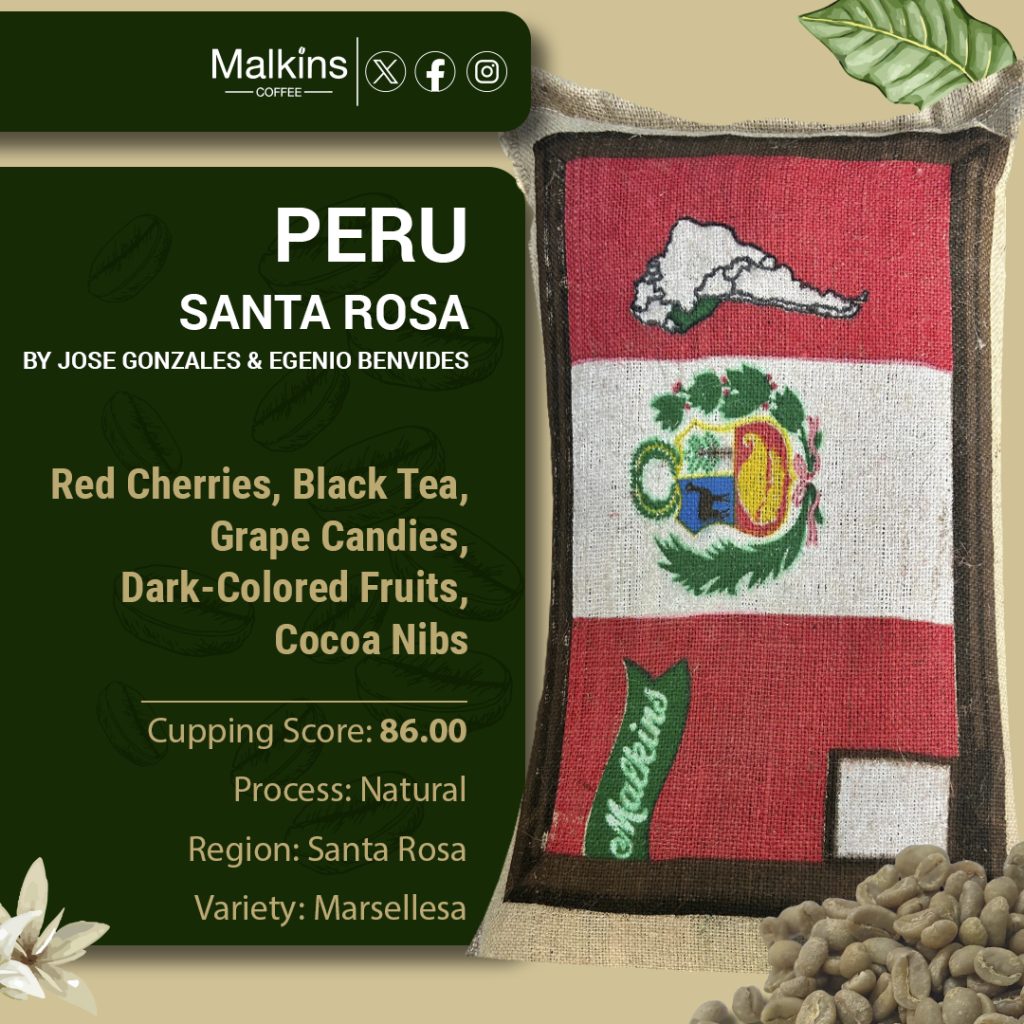
Choosing green coffee based solely on its country of origin or expected flavor profile is not enough. Buyers should also consider lot traceability, physical defects, moisture levels, roasting performance, and sensory characteristics.
At Malkins Coffee, evaluating green coffee requires a comprehensive approach that considers the bean’s physical characteristics, production conditions, and performance in the cup. This approach supports informed purchasing decisions and more consistent coffee sourcing.
What Is a Green Coffee Sample?
A green coffee sample is a small quantity of unroasted coffee beans collected to represent a larger lot for quality assessment. It allows buyers to evaluate whether a coffee meets their expectations before purchasing a commercial quantity.
Green coffee sample evaluation is particularly important when:
- Working with a new producer or green coffee supplier.
- Comparing coffees from different origins.
- Assessing quality from a new harvest.
- Verifying the physical and sensory characteristics of a specific lot.
- Checking whether regularly supplied coffee maintains consistent quality standards.
One important consideration is that the sample must accurately represent the lot being offered for sale. If the sample does not reflect the characteristics of the larger shipment, the evaluation may lead to an incorrect purchasing decision.
Checking Origin and Lot Information
Before examining the beans, buyers should verify the available identification and traceability information. Details such as origin, producer, harvest period, and processing method help establish the context for evaluating the sample.
| Evaluation criterion | Why it matters |
| Country and growing region | Provides context about growing conditions and regional production characteristics. |
| Producer or cooperative | Helps establish the source and traceability of the coffee. |
| Harvest year or period | Supports the assessment of freshness and storage history. |
| Processing method | Helps interpret expected flavor and physical characteristics. |
| Lot number | Links the sample to the specific commercial lot. |
| Variety and altitude | Provides additional context about production conditions and potential quality differences. |
Not every sample comes with complete documentation. However, for commercial purchases, origin, harvest information, and lot identification should be verified whenever possible.
Confirming that the sample and the coffee intended for delivery belong to the same lot is an important part of quality control.
Physical Inspection of Green Coffee Beans
Physical inspection is one of the first practical steps in green coffee sample evaluation.
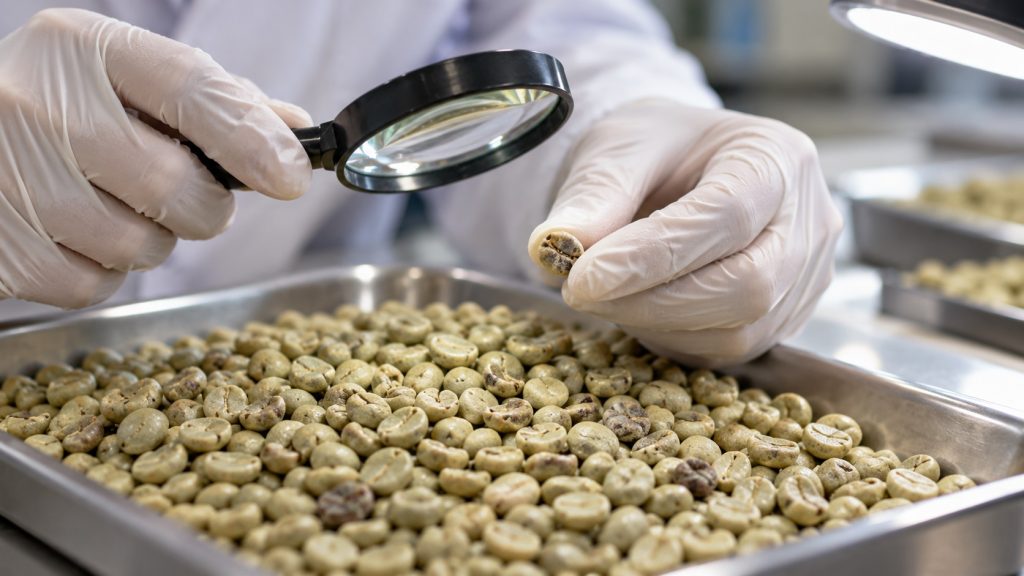
Buyers examine bean color, size distribution, uniformity, broken beans, foreign matter, and visible defects. This initial assessment provides insight into the cleanliness and physical consistency of the sample.
Bean color and appearance
Green coffee bean color can vary according to variety, processing method, harvest conditions, drying practices, and storage. Therefore, all coffees should not be expected to have exactly the same color.
However, pronounced color variations within a sample may warrant further investigation into drying consistency, cherry maturity, or storage conditions.
Bean size and uniformity
Bean size distribution is relevant when planning roasting profiles. Screen size analysis classifies beans according to their dimensions using standardized sieves.
Larger beans are not necessarily higher-quality beans. Screen size is only one quality parameter and should be interpreted alongside physical condition, moisture, and sensory performance.
Foreign matter and broken beans
The sample should be checked for foreign materials such as stones, pieces of wood, and other unwanted substances. Broken, fragmented, or visibly damaged beans should also be assessed.
The quantity and distribution of these materials matter, not simply their presence or absence.
How Are Green Coffee Defects Evaluated?
Green coffee defects can affect physical quality and, in some cases, the sensory characteristics of the brewed coffee. They may originate during harvesting, processing, drying, storage, or through insect damage.
Common defect categories include:
| Defect type | What to examine |
| Black beans | Possible causes, severity, and potential sensory impact. |
| Sour beans | Visual characteristics and, where necessary, their effect on cup quality. |
| Broken and chipped beans | Extent of physical damage and possible roasting implications. |
| Insect-damaged beans | Visible holes, surface damage, and prevalence within the sample. |
| Moldy beans or suspected mold damage | Appearance, odor, storage conditions, and the need for additional testing. |
| Foreign matter | Physical cleanliness and compliance with purchasing specifications. |
Defect evaluation should go beyond simply counting defective beans. The type, severity, distribution, and potential sensory impact of each defect should be considered.
When mold contamination is suspected, visual inspection alone cannot establish that the coffee is safe. Appropriate laboratory testing may be necessary.
Moisture Content and Water Activity
Moisture management is important for preserving green coffee quality and maintaining storage stability. For this reason, moisture content and, where appropriate, water activity should be assessed during sample evaluation.
Moisture content
Moisture content indicates the amount of water present in the coffee beans and can be measured using a suitable moisture meter.
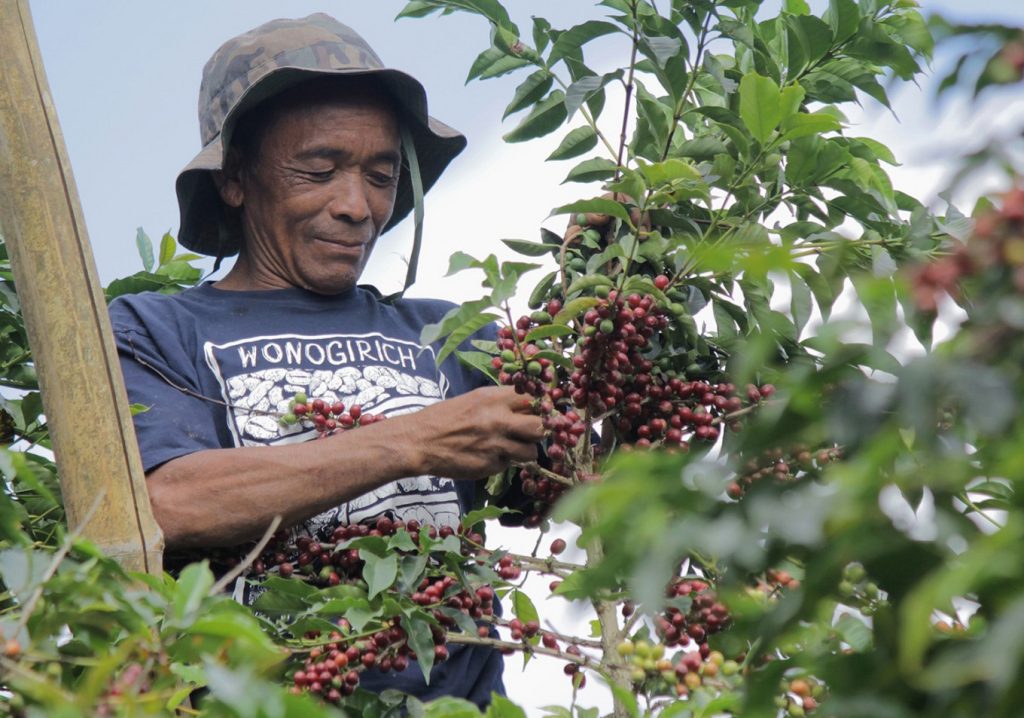
A moisture content of approximately 10–12% is commonly used as a reference range in green coffee quality assessment. However, the appropriate range should be interpreted according to the coffee’s characteristics, measurement method, storage conditions, and agreed commercial specifications.
Excessive moisture may increase the risk of deterioration under unsuitable storage conditions. Very low moisture levels may also require closer examination of the coffee’s drying and storage history.
Water activity
Water activity indicates how available the water in a material is for processes such as microbial growth. Although related to moisture content, it is a different measurement.
Two coffees with similar moisture content may have different water activity values. Measuring both parameters can therefore provide additional information, particularly when long-term storage or quality risks are concerns.
Important: Neither moisture content nor water activity alone determines overall coffee quality. Results should be interpreted alongside physical inspection, storage history, and sensory evaluation.
How to Conduct a Green Coffee Sample Roast
After physical inspection, a sample roast helps assess the coffee’s roasting behavior and potential cup quality.
Sample roasting allows buyers to examine coffee before making a purchasing commitment. To compare different samples meaningfully, testing conditions should be kept as consistent as possible.
A professional sample roasting process generally includes the following steps:
- Prepare and identify the sample according to its lot information.
- Record the green coffee quantity and roasting equipment used.
- Establish a roasting profile suitable for comparative evaluation.
- Record roasting time, temperature development, and relevant observations.
- Allow the roasted sample to rest under appropriate conditions.
- Prepare the coffee for tasting using a consistent evaluation protocol.
The objective is not simply to determine how quickly or slowly a coffee roasts. It is to evaluate its potential under controlled conditions and identify meaningful differences between samples.
A single roast profile may not reveal the full potential of a coffee across every brewing application. Additional roasting trials may be useful when evaluating coffees for different purposes, such as espresso and filter coffee.
Evaluating Cup Quality Through Cupping
Sensory evaluation is one of the most important stages of green coffee sample assessment. Cupping provides a structured way to examine aroma, flavor, acidity, body, sweetness, aftertaste, balance, and potential sensory defects.
A sample that appears physically clean and uniform may not deliver the expected cup performance. Therefore, purchasing decisions should never rely on visual inspection alone.
During cupping, buyers should assess the following characteristics:
- Aroma: The aromatic characteristics perceived in the dry grounds and wet coffee.
- Flavor: The main taste characteristics and their overall expression.
- Acidity: The intensity and sensory quality of the coffee’s acidity.
- Body: The weight and texture of the coffee in the mouth.
- Sweetness: Perceived sweetness and its relationship with other sensory attributes.
- Aftertaste: The quality and persistence of flavors after swallowing.
- Balance: The harmony between aroma, flavor, acidity, body, and sweetness.
- Defective notes: Undesirable characteristics such as moldy, phenolic, excessively fermented, or otherwise unpleasant flavors.
Using consistent water, grind size, dose, brewing conditions, and evaluation procedures helps make comparisons between samples more reliable.
Sensory characteristics should not be predicted solely from a coffee’s country of origin. Different lots from the same country or growing region can produce different results depending on variety, harvest maturity, processing method, and production conditions.
How to Compare Green Coffee Sample Results
When evaluating several green coffee samples, buyers should record the results using a consistent evaluation form. This makes purchasing decisions more systematic and less dependent on subjective impressions.
The following table provides a practical framework for professional buyers.
| Evaluation area | Information to record |
| Sample identification | Origin, lot number, producer, and harvest period. |
| Physical quality | Appearance, uniformity, foreign matter, and defects. |
| Moisture analysis | Measurement result and method used. |
| Water activity | Result and measurement conditions, if tested. |
| Sample roasting | Roast profile and observations during development. |
| Cup quality | Aroma, flavor, acidity, body, sweetness, and aftertaste. |
| Intended use | Espresso, filter coffee, or another application. |
| Commercial terms | Price, minimum order quantity, and delivery conditions. |
| Final decision | Accept, request additional testing, request another sample, or reject. |
This evaluation form can also be used to compare the approved sample with the coffee delivered later.
Purchasing criteria should be established in advance and applied consistently across samples. This supports more reliable comparisons between different lots.
Common Mistakes in Green Coffee Sample Evaluation
Several common mistakes can undermine the sample evaluation process.
Focusing only on aroma and flavor: Sensory quality is essential, but physical condition, moisture, defects, and commercial requirements must also be considered.
Ignoring sample representativeness: If the sample does not accurately represent the commercial lot, the results may be misleading.
Comparing coffees roasted under different conditions: Differences in roasting can make it difficult to identify the actual differences between samples.
Treating moisture content as the sole indicator of quality: Moisture is an important measurement, but it cannot independently establish sensory quality or storage safety.
Overlooking commercial conditions: A coffee may perform well in the cup but still fail to meet expectations regarding price, delivery, traceability, or supply consistency.
Failing to verify the delivered lot: For recurring purchases, lot identification and agreed quality specifications should be documented and checked.
Conclusion: Better Green Coffee Sourcing Starts with Sample Evaluation
Green coffee sample evaluation is a fundamental tool for verifying quality and reducing sourcing risks before purchase. When physical inspection, moisture and water activity measurements, sample roasting, and cupping are considered together, buyers gain a more complete understanding of a coffee’s potential.
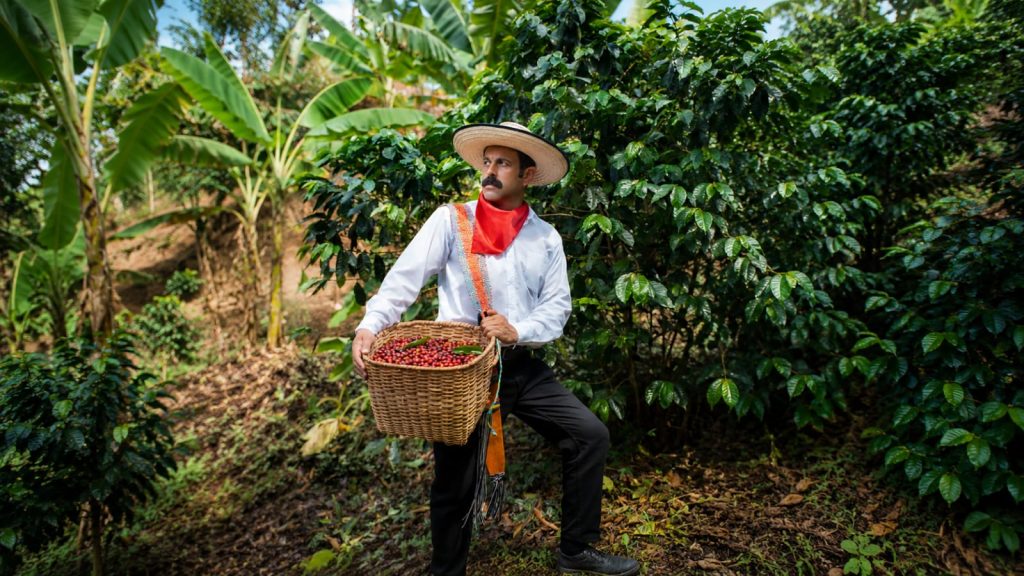
At Malkins Coffee, selecting green coffee means looking beyond the appearance of the beans. Origin, production conditions, physical characteristics, cup performance, and commercial sourcing requirements should all be considered as part of a comprehensive evaluation process.
A structured sample assessment does more than help buyers select better coffee. It clarifies quality expectations, strengthens communication with suppliers, and supports more consistent long-term sourcing decisions.
Frequently Asked Questions (FAQ)
1. What is a green coffee sample?
A green coffee sample is a small quantity of unroasted coffee beans collected to assess the physical and sensory characteristics of a larger lot before purchase.
2. Why is green coffee sample evaluation important?
It helps buyers identify physical defects, assess moisture conditions, evaluate cup quality, and determine whether a coffee meets the requirements of its intended application.
3. What is the ideal moisture content for green coffee?
Approximately 10–12% is a commonly used reference range. The appropriate value depends on the coffee, measurement method, storage conditions, and agreed purchasing specifications.
4. Which defects should be checked in a green coffee sample?
Common checks include black beans, sour beans, broken beans, insect damage, suspected mold damage, and foreign matter. Their quantity and potential sensory impact should also be evaluated.
5. Why is cupping important when evaluating green coffee samples?
Cupping provides a structured assessment of aroma, flavor, acidity, body, sweetness, aftertaste, and balance after roasting. It complements physical inspection and other quality measurements.
6. How is a green coffee sample roast conducted?
A measured quantity of green coffee is roasted under documented conditions. The roast development is recorded, and the sample is rested appropriately before sensory evaluation. Consistent testing conditions improve comparisons between samples.
7. Why is green coffee density measured?
Density measurement provides information about the physical characteristics of green coffee. It can support roast profile development when considered alongside other quality parameters, but it does not independently determine cup quality.
8. Does a green coffee sample always represent the commercial lot?
Not necessarily. The sample must be collected appropriately, and its lot identification should be verified. Buyers should confirm that the delivered coffee corresponds to the approved sample.
9. Which tools are used to evaluate green coffee samples?
Depending on the assessment, equipment may include a moisture meter, water activity meter, sieve set, precision scale, and sample roaster. Appropriate cupping equipment and standardized procedures are also required.
10. How does sample evaluation influence purchasing decisions?
Sample results help buyers determine whether a coffee meets their quality expectations and intended use. Physical and sensory findings are considered alongside price, delivery terms, traceability, and supply requirements before a purchasing decision is made.