


Traditional Coffee Roasting vs Specialty Coffee Roasting: What Is the Difference?
Traditional Coffee Roasting vs Specialty Coffee Roasting: What Is the Difference?
Traditional coffee roasting and specialty coffee roasting differ in much more than roast colour or how dark the beans become. The main difference lies in how the roaster approaches green coffee, develops a roast profile and evaluates the final cup.
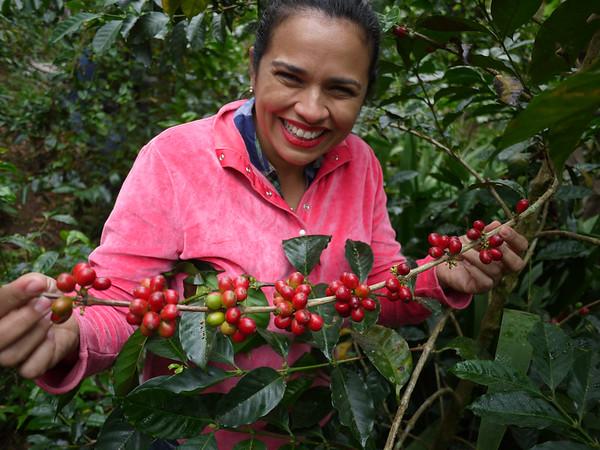
Traditional coffee roasting often focuses on consistency, familiarity and repeatability. Specialty coffee roasting places greater emphasis on preserving the character of the green coffee, including its origin, variety, processing method, physical structure and sensory potential.
For this reason, the difference should not be reduced to a simple comparison between light roast and dark roast.
The more important question is this:
Is the roast designed to create a dominant roast character, or is it designed to reveal the qualities already present in the green coffee?
In Short
Traditional coffee roasting generally aims to produce a stable and recognizable flavour profile. Specialty coffee roasting focuses more closely on the characteristics of a specific green coffee and develops the roast profile to express its individual sensory potential.
What Is Traditional Coffee Roasting?
Traditional coffee roasting is not an official quality category. It is better understood as an approach shaped by established consumer preferences, regional coffee culture and the need to maintain a consistent product.
The main objectives often include:
- maintaining a familiar flavour profile
- achieving consistency between batches
- keeping blends stable over time
- managing larger production volumes
- creating pronounced body
- developing recognizable roasted flavours
Medium, medium-dark and dark roast profiles are therefore common in many traditional roasting systems.
However, traditional coffee does not necessarily have to be dark roasted.
A traditional roaster may also work with lighter roast levels. What matters is not the final colour of the bean, but the purpose behind the roast profile.
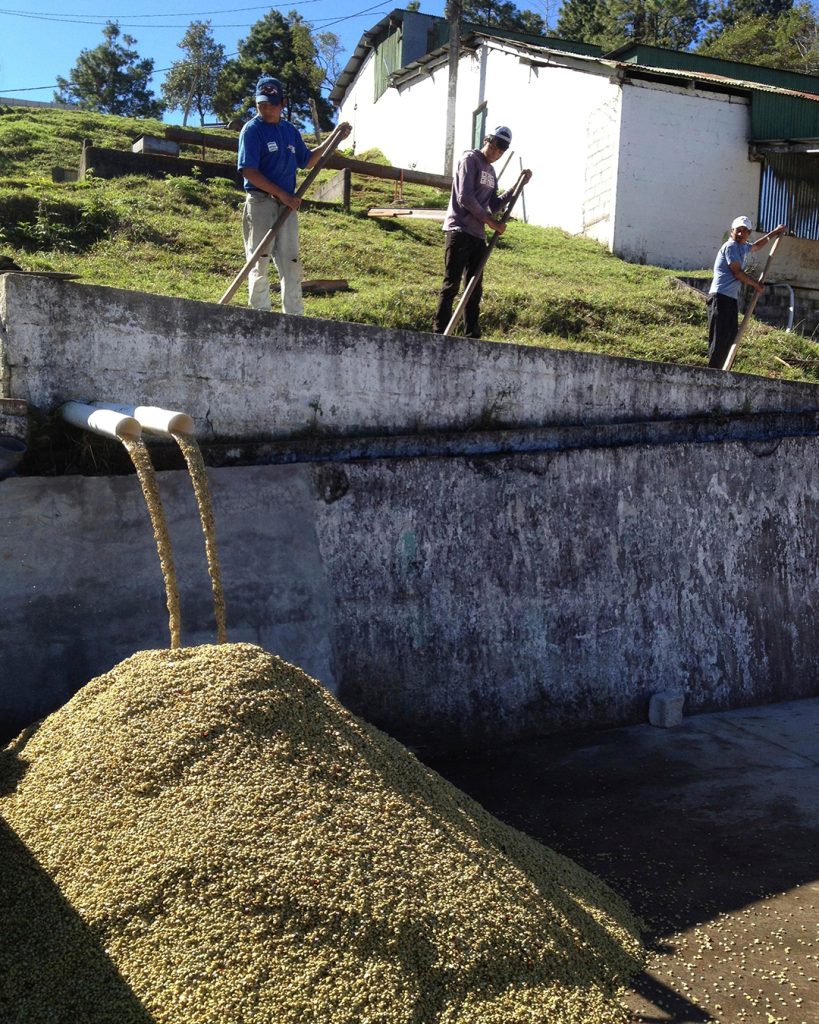
In many traditional systems, the roast is designed to maintain a dependable flavour that consumers can recognize from one batch to the next.
What Is Specialty Coffee Roasting?
Specialty coffee roasting begins with understanding the green coffee itself.
Instead of treating coffee simply as a raw material that needs to be roasted, the roaster evaluates the physical and sensory characteristics of the lot before deciding how to apply heat.
Important factors may include:
- producing country and region
- growing altitude
- botanical variety
- processing method
- moisture content
- density
- bean size
- physical defects
- harvest conditions
- storage conditions
- sensory profile
The reason is simple.
Not all green coffees react to heat in the same way.
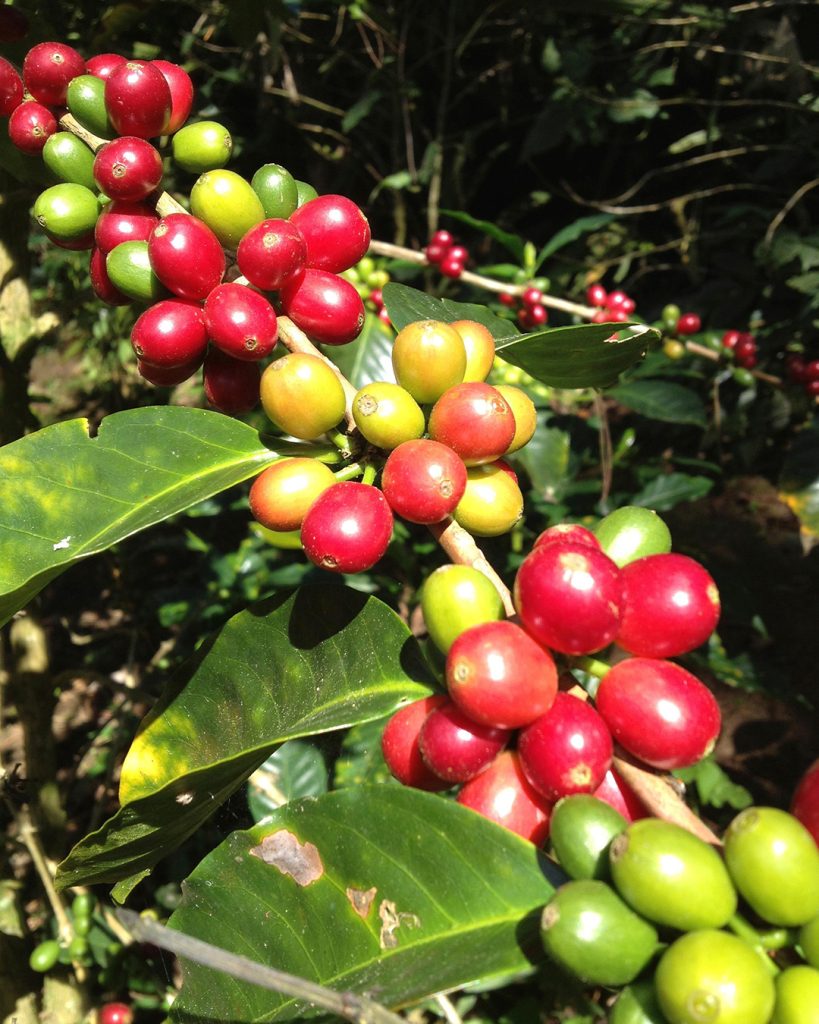
A dense coffee may require a different energy strategy from a lower-density coffee. A washed coffee may behave differently from a naturally processed coffee. Even two coffees from the same country can respond very differently depending on variety, altitude, processing and storage.
This is why specialty coffee roasting is not only about using sophisticated equipment.
It is about understanding green coffee well enough to build the right roast profile.
Traditional Coffee Roasting vs Specialty Coffee Roasting
| Criteria | Traditional Coffee Roasting | Specialty Coffee Roasting |
| Main objective | Stable and familiar flavour | Expression of the coffee’s individual character |
| Green coffee selection | Price, availability and overall quality | Sensory potential, physical quality and lot character |
| Roast profile | Often based on repeatable production targets | Frequently adapted to a specific coffee or lot |
| Roast level | Medium and darker profiles are common | Light and medium profiles are frequently used |
| Sensory target | Body, intensity and roasted character | Sweetness, acidity, clarity and aroma definition |
| Traceability | Country or region may be sufficient | Region, variety, process and lot become more important |
| Quality control | Product consistency | Roast data combined with sensory evaluation |
| Blending | Frequently used for consistency | Both blends and individual lots may be used |
These are not absolute boundaries.
Modern roasters can combine techniques from both approaches depending on the coffee, the market and the desired cup profile.
Quality Begins with Green Coffee
A good roast cannot completely correct poor-quality green coffee.
Roasting creates new aromatic compounds, but the roaster is still working with the potential that was established before the coffee entered the roasting machine.
That potential is influenced by:
- climate
- altitude
- cherry maturity
- harvesting
- fermentation
- drying
- processing
- storage
Processing methods can also change the physical and sensory characteristics of green coffee.
Washed, natural and other processing styles can result in differences in:
- moisture behaviour
- density
- heat absorption
- aroma development
- perceived sweetness
- acidity
- body
Professional coffee roasting therefore begins before the roast itself.
It begins with knowing what kind of green coffee is being roasted.
What Is a Coffee Roast Profile?
A coffee roast profile describes how time, temperature and energy are managed throughout the roasting process.
It is not simply the final temperature.
More importantly, it describes how the coffee reaches that point.
Two coffees can appear almost identical in colour and still taste completely different if they reach that colour through different roast curves.
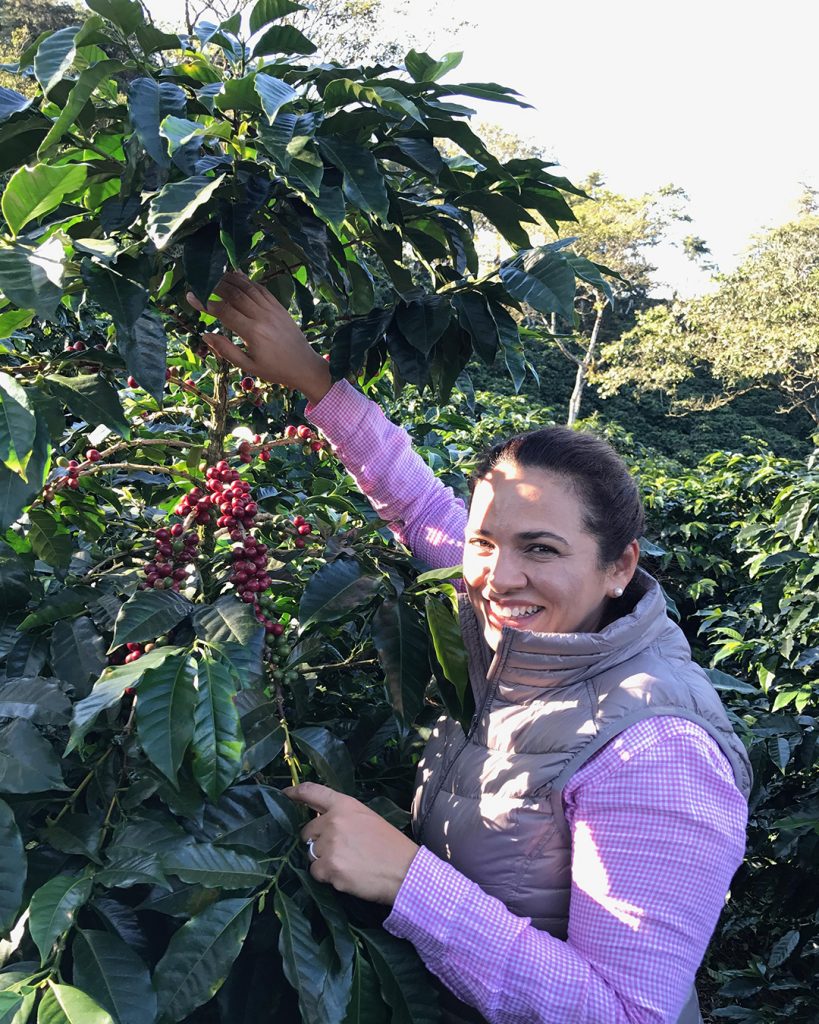
A roast profile may include:
- initial heat application
- drying progression
- colour change
- browning development
- first crack
- development after first crack
- final discharge point
This is why final bean colour is only one piece of information.
Professional roasting requires understanding the entire progression of the roast.
The Main Stages of Coffee Roasting
Roasting can broadly be discussed through three connected stages.
| Stage | What Happens | Why It Matters |
| Drying | Moisture gradually leaves the bean | Energy needs to be controlled carefully |
| Browning | Reactions responsible for colour and aroma intensify | Sweetness and aromatic complexity develop |
| Development | Roasting continues after first crack | Balance, body, acidity and roast character are shaped |
These stages are not completely separate from one another.
Changes made early in the roast can influence how the coffee behaves much later in the process.
How the Maillard Reaction Influences Coffee Flavour
A large part of the aroma associated with roasted coffee develops during roasting.
Green coffee contains sugars, amino acids, proteins and other compounds that begin to change as heat is applied.
Maillard reactions contribute to flavour characteristics often associated with:
- toasted bread
- cocoa
- nuts
- caramel-like sweetness
- malt-like aromas
- complex roasted notes
At the same time, caramelisation affects the transformation of sugars and contributes to colour, sweetness and bitterness.
As roasting progresses, the balance between these reactions changes.
The purpose of roasting is therefore not to create the greatest possible number of reactions.
The goal is to manage flavour development in a controlled way.
What Is First Crack in Coffee Roasting?
As coffee beans heat up, water inside the bean turns into vapour.
Internal pressure rises as vapour and gases accumulate. Eventually, the cellular structure begins to break and a distinct cracking sound becomes audible.
This stage is known as first crack.
First crack is an important reference point, but it does not automatically indicate a successful roast.
A roaster needs to consider:
- the time required to reach first crack
- the amount of energy applied before first crack
- the rate of temperature increase
- how the coffee behaves during first crack
- development time afterwards
- the point at which the coffee is discharged
The period after first crack is especially important in specialty coffee roasting.
Too little development may produce a sharp, immature or underdeveloped cup.
Too much development may reduce clarity and allow roast character to dominate the original character of the coffee.
Does Light Roast Always Mean Specialty Coffee?
No.
Light roast is not a quality category.
A low-quality green coffee does not become high quality simply because it is roasted lightly.
Likewise, a high-quality coffee does not automatically lose its value if it is roasted slightly further.
Lighter roast profiles may preserve more:
- floral aromas
- fruit character
- lively acidity
- origin-specific differences
As the roast becomes darker, the following characteristics may become more dominant:
- caramelised flavours
- roasted notes
- bitterness
- heavier body
- smoky characteristics at deeper roast levels
The goal of professional roasting is therefore not to roast every coffee as lightly as possible.
The goal is to find the right roast level for the right coffee.
Why Are Darker Roasts More Common in Traditional Coffee Roasting?
There are historical, commercial and sensory reasons.
Darker or more developed roast profiles can:
- increase roasted aroma intensity
- reduce perceived acidity
- increase the perception of body
- reduce flavour differences within a blend
- create a familiar and recognizable taste
This can be particularly useful in larger-scale production.
If green coffee composition changes throughout the year, the roaster may need to maintain a similar final flavour despite changes in individual components.
In this case, roasting becomes a tool for product consistency.
Why Does Origin Matter to a Coffee Roaster?
Coffee origin is not simply a geographical label.
It represents a set of growing conditions.
Climate, altitude, temperature, maturation speed, plant genetics and agricultural practices can all influence the structure and sensory potential of the coffee.
Two coffees from different regions may react very differently to the same roast profile.
This is why specialty coffee roasting often considers more than the country of origin.
Detailed lot information can help the roaster better understand how the coffee may behave during roasting.
How Does Coffee Processing Affect Roasting?
Processing determines how the coffee cherry is transformed into stable green coffee.
Different processing methods can influence:
- moisture
- density
- bean structure
- aroma potential
- perceived sweetness
- acidity
- fermentation character
For this reason, the same roasting parameters do not necessarily produce the same result across coffees processed in different ways.
A professional roaster considers processing method when deciding how to apply heat and how quickly the roast should develop.
Why Is Coffee Traceability Important?
Traceability helps the roaster understand where a coffee comes from and how it was produced.
Useful information may include:
| Information | Why It Matters |
| Region | Provides context about growing conditions |
| Altitude | Can offer clues about density and maturation |
| Variety | Influences genetic and sensory potential |
| Processing method | Can affect flavour and roasting behaviour |
| Harvest period | Helps evaluate freshness |
| Lot information | Improves traceability |
| Moisture | Influences energy transfer |
| Density | Helps guide roast profile development |
The more accurately the green coffee is understood, the more precisely the roast profile can be developed.
Why Does Final Quality Control Happen in the Cup?
A roast curve can look technically perfect and still produce a disappointing cup.
This is why sensory evaluation remains essential.
After roasting, professionals may evaluate:
- aroma
- sweetness
- acidity
- body
- clarity
- balance
- finish
They may also look for signs of:
- underdevelopment
- overdevelopment
- scorching
- excessive bitterness
- loss of aromatic clarity
The roast profile explains what happened inside the roasting machine.
The cup shows whether the decisions were correct.
Conclusion
Traditional coffee roasting and specialty coffee roasting are mainly separated by their objectives.
Traditional roasting usually aims to create a recognizable, stable and repeatable flavour profile.
Specialty coffee roasting aims to understand the individual potential of green coffee and express that potential through a carefully designed roast profile.
The difference becomes visible in:
- green coffee selection
- traceability
- roast profile development
- energy management
- first crack development
- sensory quality control
Neither approach should automatically be described as good or bad.
They serve different purposes.
Professional roasting, however, always requires an understanding of the raw material, control of the process and evaluation of the final cup.
Good coffee roasting is not simply about changing the colour of the bean. It is about managing the potential of green coffee through heat, time and controlled development.
Frequently Asked Questions
1. What is the difference between traditional coffee roasting and specialty coffee roasting?
Traditional coffee roasting generally focuses on a stable and familiar flavour profile. Specialty coffee roasting places greater emphasis on origin, variety, processing method, physical characteristics and the sensory potential of a specific green coffee.
2. Is specialty coffee always light roasted?
No. Light roast is not a requirement for specialty coffee. Roast level should be selected according to the coffee’s physical characteristics and the desired cup profile.
3. Does dark roast mean low-quality coffee?
No. Dark roasting does not automatically indicate low-quality green coffee. However, deeper roasting can reduce the perception of origin-specific characteristics and increase roast-driven flavours.
4. What is a coffee roast profile?
A coffee roast profile describes how temperature, time and energy change throughout the roasting process. It includes drying, browning, first crack and development.
5. What is first crack in coffee roasting?
First crack is the audible cracking stage caused by increasing internal pressure from vapour and gases inside the coffee bean. It is an important reference point during roast development.
6. What is the difference between specialty coffee and commercial coffee?
Specialty coffee places greater emphasis on sensory quality, distinctive characteristics, physical quality and traceability. Commercial coffee production often gives greater importance to volume, price, availability and consistency.
7. How does coffee processing affect roasting?
Processing can influence moisture, density, bean structure and sensory potential. Coffees processed differently may therefore respond differently to the same roasting strategy.
8. Why can two coffees with the same roast colour taste different?
The same colour can be reached through different combinations of time, temperature and energy. Those differences affect chemical reactions and can create very different cup profiles.
9. How do roasters choose green coffee for specialty roasting?
Important factors include origin, altitude, variety, processing method, harvest period, moisture, density, physical defects and sensory characteristics.
10. How can you identify a well-roasted coffee?
A well-roasted coffee should match the potential of the green coffee and the intended cup profile. Quality should be evaluated through sweetness, acidity, body, clarity, balance, aroma and finish rather than colour alone.
Permalink