
What Climate Does the Coffee Plant Grow In? A Complete Guide to Temperature, Rainfall, Altitude and Microclimate for Arabica Coffee
What Climate Does the Coffee Plant Grow In? A Complete Guide to Temperature, Rainfall, Altitude and Microclimate for Arabica Coffee
The climate in which coffee is grown cannot be explained simply by naming a country or a continent. Coffee production depends on the interaction of several environmental factors, including temperature, rainfall, altitude, humidity, sunlight, soil structure, wind and microclimate.
This is particularly important for Coffea arabica, a coffee species that is relatively sensitive to environmental conditions. Excessive heat, prolonged drought, frost, irregular rainfall and excessive humidity can affect plant growth, flowering, fruit development and the ripening process.
Therefore, the most accurate answer to the question “What climate does coffee grow in?” is:
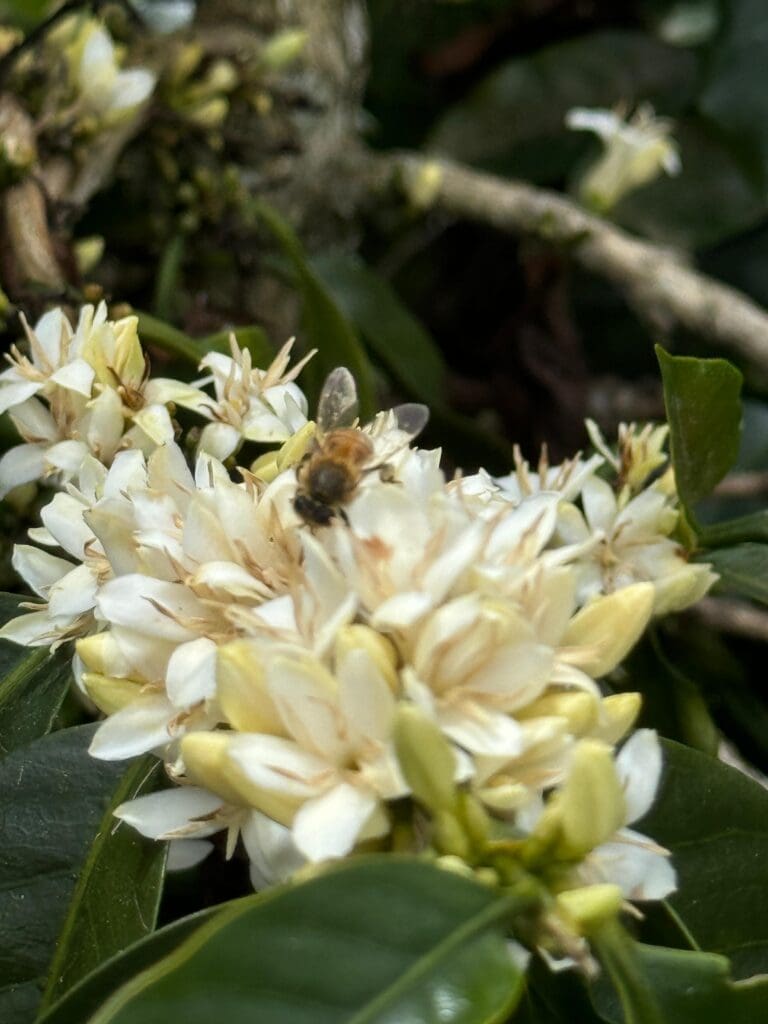
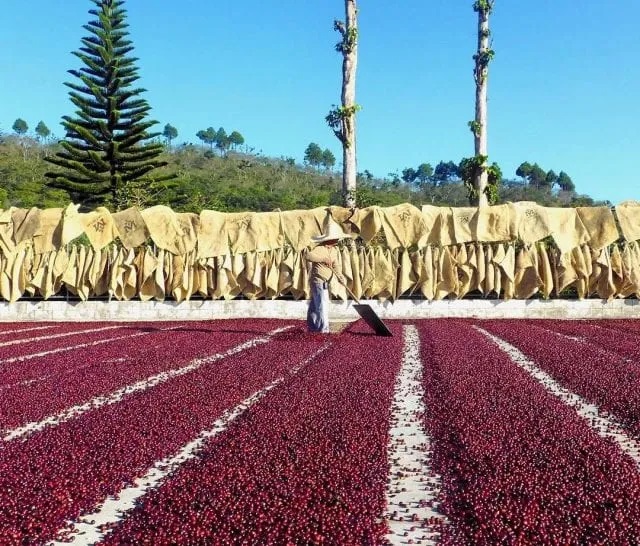
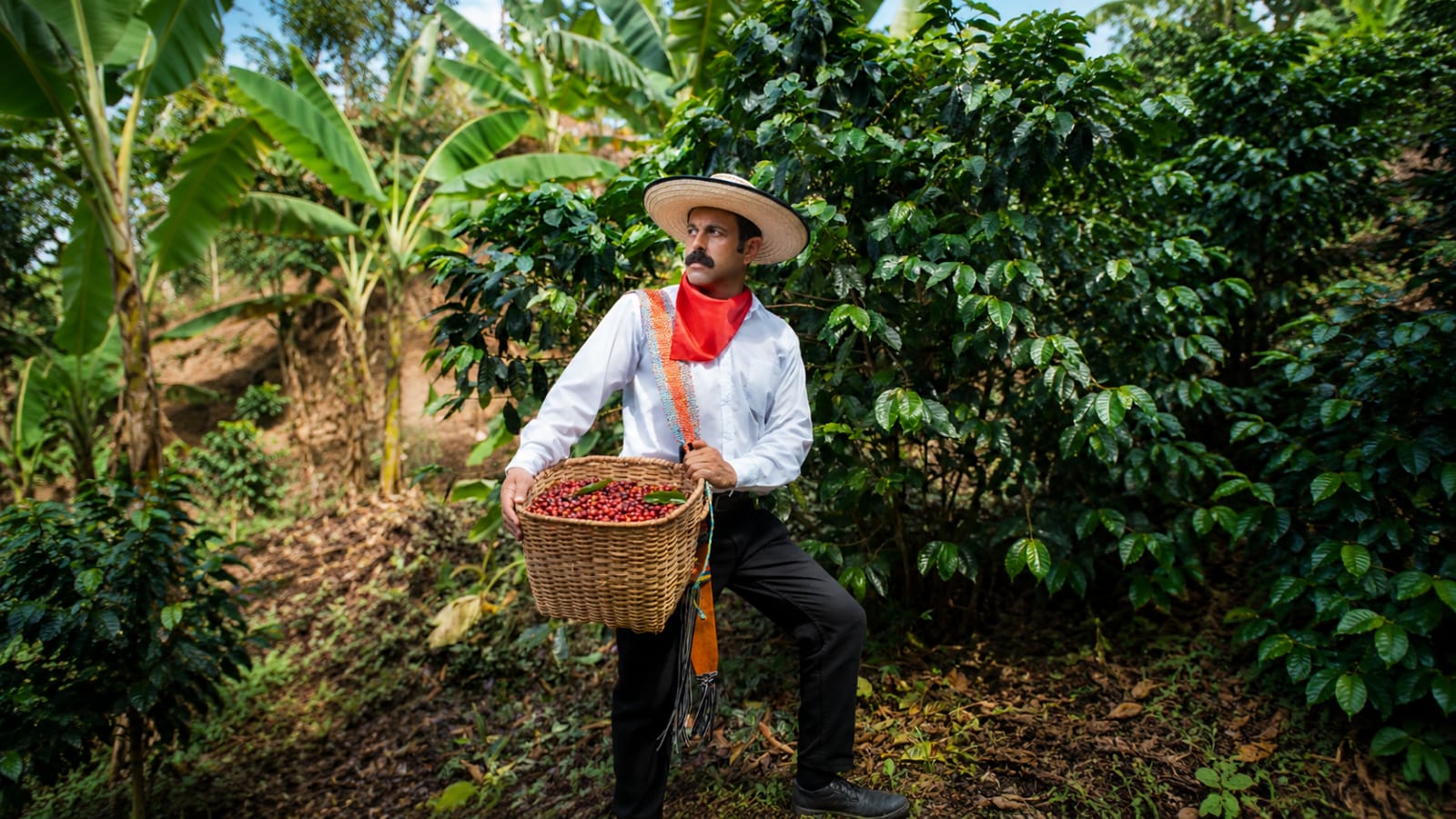
Coffee grows best in tropical and subtropical environments where temperatures are warm but not excessively hot, frost is absent, rainfall is sufficient and seasonally balanced, and altitude and microclimatic conditions are suitable.
However, when the focus is high-quality Arabica coffee, this definition needs to be examined in greater detail.
What Is the Best Climate for Coffee?
Coffee plants are generally cultivated in tropical and subtropical climates. Commercial coffee production is concentrated largely between the Tropic of Cancer and the Tropic of Capricorn.
However, not every tropical region is suitable for producing high-quality coffee.
Coffee requires a particular combination of environmental conditions.
For Arabica, important factors include:
- moderate temperatures,
- sufficient rainfall,
- a distinct but not excessively severe dry period,
- suitable altitude,
- adequate air circulation,
- balanced sunlight,
- well-drained soil with sufficient water-holding capacity,
- low frost risk.
Different agricultural and ecological studies commonly place the optimum annual temperature for Arabica somewhere around 18–23°C, while narrower ranges are sometimes used depending on the production environment and genetic material. For this reason, it is more accurate to speak about an optimum temperature range rather than a single ideal temperature.
| Climate Factor | General Suitability for Arabica | Effect on Coffee Production |
| Average temperature | Approximately 18–23°C | Growth and fruit development |
| High temperature | Can create stress | May accelerate ripening |
| Frost | Highly damaging | Can damage leaves, flowers and shoots |
| Annual rainfall | Approximately 1,400–2,000 mm is commonly considered suitable | Growth and fruit development |
| Dry period | Controlled dry period can be beneficial | Influences flowering and harvest cycles |
| Altitude | Frequently associated with higher-elevation production | Influences temperature and ripening |
| Humidity | Should remain balanced | Plant development and disease pressure |
| Sunlight | Balanced light is important | Photosynthesis and plant development |
| Wind | Excessive wind is undesirable | Leaf and branch damage |
| Microclimate | Extremely important | Determines local growing conditions |
These figures should not be treated as a universal agricultural formula. The same Arabica variety can perform differently depending on its geographical and environmental conditions.
Why Is Temperature So Important for Arabica Coffee?
Temperature is one of the central factors determining the environmental requirements of coffee.
It does not simply determine whether a coffee plant can survive. Temperature also affects growth rate, flowering, fruit development and ripening speed.
One reason Arabica is associated with high-quality coffee production is its ability to develop under relatively cool conditions.
When temperatures remain around 18–21°C, conditions can be highly favorable for Arabica. As temperatures increase, physiological processes may accelerate. Prolonged heat stress can negatively affect photosynthetic performance, fruit development and overall plant health.
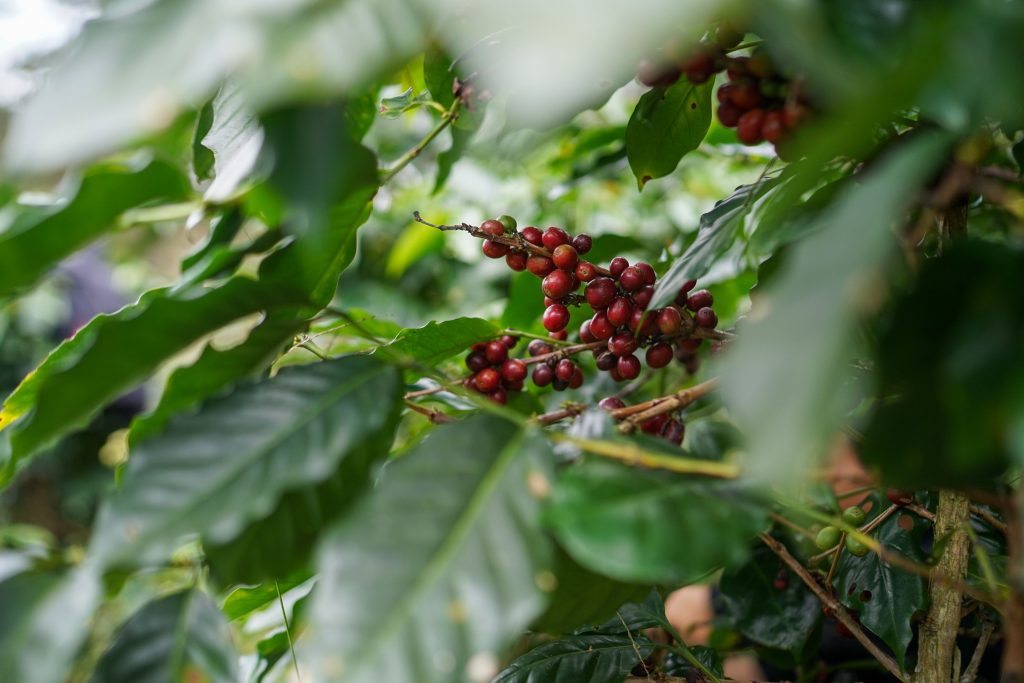
Temperature should also not be evaluated only as an annual average.
The difference between daytime and nighttime temperatures can also influence plant development.
In practical terms, the coffee-growing environment is shaped by:
daytime temperature + nighttime temperature + seasonal temperature variation.
All three need to be considered when evaluating the climate of a coffee-growing region.
How Does High Temperature Affect Arabica Coffee?
Arabica is generally more sensitive to high temperatures than Robusta.
When temperatures remain excessively high:
- water demand can increase,
- evapotranspiration can accelerate,
- photosynthetic performance may decline,
- fruit development can accelerate,
- ripening periods can become shorter,
- heat and water stress can contribute to yield losses.
Long periods of elevated temperatures can be particularly problematic for Arabica.
This is one reason altitude can be important in Arabica production.
The advantage of altitude is not simply the number shown on a map. One of its most important effects is that higher elevations generally provide cooler temperatures, potentially allowing coffee cherries to develop more slowly.
Why Is Cold Weather and Frost Dangerous for Coffee?
Coffee is a warm-climate plant, but this does not mean that it requires constantly high temperatures.
Frost is particularly dangerous for Arabica.
Temperatures close to freezing can damage leaves, young shoots, flowers and other plant tissues.
Therefore, when evaluating whether a high-altitude region is suitable for coffee production, altitude alone is not enough.
Producers also need to consider:
- How low do winter temperatures fall?
- Does frost occur?
- How long do cold conditions last?
- What is the slope orientation?
- What are the local wind patterns?
- Can cold air accumulate in valleys?
This explains why two farms at a similar altitude can have very different coffee-growing potential.
The difference can come from microclimate.
Why Is Rainfall Important for Coffee Production?
For coffee plants, rainfall is not simply a matter of total water availability.
When, how much and how rainfall occurs can be just as important as the annual total.
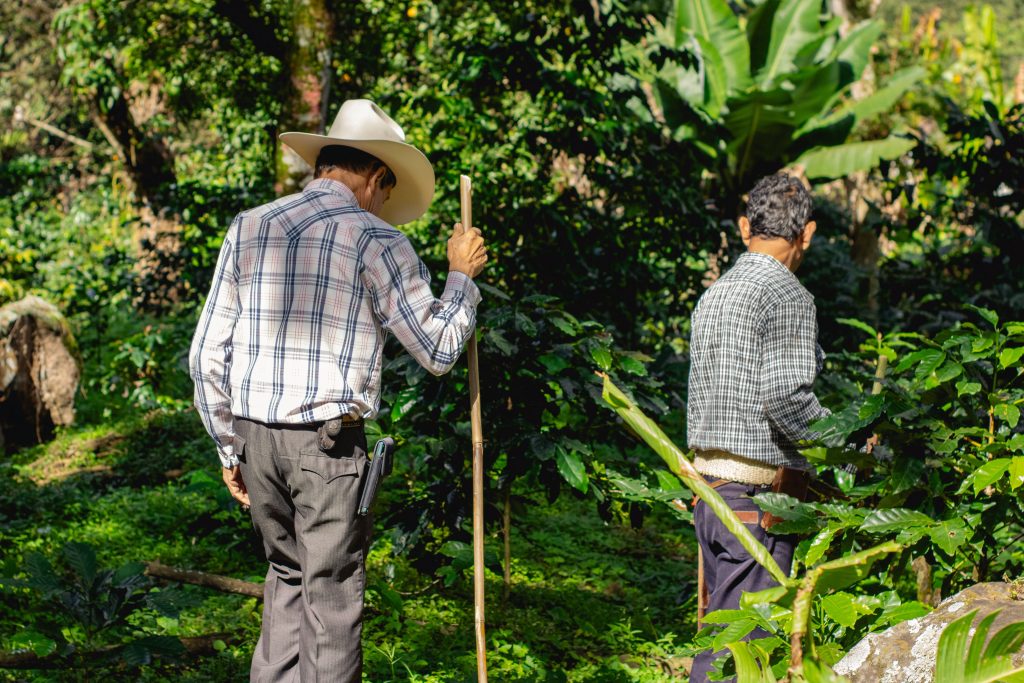
Annual rainfall of approximately 1,400–2,000 mm is commonly considered suitable for many Arabica production systems, although actual requirements vary considerably between regions and production environments.
Two coffee-growing regions could both receive 1,800 mm of annual rainfall and still have completely different growing conditions.
For example, in one region rainfall may be:
- distributed relatively evenly throughout the growing season,
- followed by a drier harvest period,
- separated by a distinct dry season.
In another region, the same total rainfall may occur:
- in short periods of intense rain,
- with prolonged soil moisture,
- during harvest.
The agricultural consequences can be completely different.
Therefore, coffee climate should be evaluated through both:
rainfall quantity + rainfall distribution.
Why Does Coffee Need a Dry Season?
The role of the dry season in coffee production is often misunderstood.
A controlled dry season is not the same as severe drought.
A period with reduced rainfall can play an important role in the flowering cycle of coffee.
Following a dry period, rainfall can help trigger and synchronize flowering in certain coffee-growing environments.
This means that a favorable coffee climate often includes a natural cycle of:
rainy season + controlled dry season.
The timing of the dry period is particularly important.
A relatively dry period during harvest can make fruit collection and drying easier.
However, if the dry period becomes too long or severe, the plant can experience water stress.
Therefore, the objective is not:
“the less water coffee receives, the better.”
The objective is to maintain a water cycle that supports the plant’s physiological and phenological development.
How Does Altitude Affect the Coffee-Growing Climate?
Altitude is one of the most frequently discussed factors in specialty coffee.
However, altitude should not be reduced to the simplistic equation:
higher altitude = higher-quality coffee.
One of the most important effects of altitude is its influence on temperature.
As elevation increases, temperatures generally decrease.
Cooler conditions can:
- slow fruit development,
- extend the ripening period,
- influence plant metabolism,
- affect the development of chemical compounds associated with coffee quality.
Arabica is commonly cultivated across a wide elevation range, and approximately 950–1,950 meters above sea level is often associated with important Arabica production zones. However, actual suitability varies according to latitude, temperature, variety and local conditions.
The key point is:
Altitude itself is not quality.
The importance of altitude comes largely from how it interacts with temperature, rainfall, sunlight, soil and microclimate.
Microclimate: The Climate the Coffee Plant Actually Experiences
The general climate of a coffee-growing region is important, but the conditions experienced by the plant itself are often determined by its microclimate.
Microclimate refers to the local environmental conditions of a specific area, including temperature, humidity, wind, sunlight and soil moisture.
Two coffee farms located on opposite sides of the same mountain may:
- receive different levels of sunlight,
- experience different wind exposure,
- receive different amounts of rainfall,
- have different nighttime temperatures.
As a result, they may produce coffees with significantly different characteristics even at similar elevations.
This is why terroir in coffee should not be understood simply as soil.
Coffee terroir can be considered as the interaction between:
climate + microclimate + altitude + soil + topography + genetics + farming practices.
How Does Sunlight Affect Coffee Plants?
Coffee plants require light for photosynthesis.
However, especially in warm environments, intense sunlight combined with high temperatures can increase plant stress.
This is why shade trees are used in many coffee-growing systems.
Proper shade management can help:
- moderate excessive temperatures,
- support soil moisture retention,
- regulate the microclimate,
- reduce wind exposure,
- support biodiversity.
But there is an important balance.
More shade does not automatically mean better coffee.
Excessive shade can reduce available light and affect photosynthetic activity.
Therefore, the objective should not be maximum shade.
It should be:
proper shade management.
Humidity and Air Circulation
Because coffee originates from tropical environments, the plant can adapt to relatively humid conditions.
However, consistently high humidity combined with poor air circulation can increase disease pressure.
Therefore, a well-managed coffee-growing environment should consider:
- sufficient air movement,
- balanced humidity,
- appropriate shade,
- effective drainage.
Keeping leaves wet for extended periods can create favorable conditions for certain fungal diseases.
For this reason, coffee climate is much more than temperature and rainfall.
How Does Wind Affect Coffee Plants?
Coffee plants can be sensitive to strong winds.
Excessive wind may cause:
- leaf loss,
- damage to young branches,
- flower drop,
- increased evapotranspiration,
- greater water stress.
Natural vegetation or planned windbreaks can therefore be valuable agricultural management tools in certain production regions.
This becomes particularly important on exposed high-altitude slopes where wind intensity can be significant.
Soil and Climate Must Be Evaluated Together
Even when the climate is suitable, poor soil conditions can make high-quality coffee production difficult.
Coffee plants generally benefit from soils that are:
- deep,
- well drained,
- sufficiently rich in organic matter,
- capable of retaining adequate moisture,
- slightly acidic.
Excessive water retention can reduce oxygen availability around the roots.
On the other hand, extremely rapid drainage can increase water stress during dry periods.
Therefore, one of the fundamental characteristics of suitable coffee soil is:
the ability to retain sufficient water while allowing excess water to drain away.
The Coffee Belt and the Geography of Coffee Production
Commercial coffee production is concentrated mainly in tropical regions.
This is why the concept of the Coffee Belt is frequently used when discussing global coffee production.
Major production areas include:
- Latin America,
- Central America,
- East Africa,
- the Caribbean,
- South and Southeast Asia.
However, being located within the Coffee Belt does not automatically mean that an area is suitable for producing high-quality coffee.
A low-elevation, hot tropical area and a high-altitude mountain region can exist within the same broad geographical belt while offering completely different coffee-growing conditions.
Therefore, coffee geography should be evaluated through:
location + altitude + climate + microclimate.
Do Arabica and Robusta Require the Same Climate?
No.
Arabica and Robusta are different coffee species and have different environmental adaptations.
Arabica generally performs better under cooler conditions and is frequently associated with higher elevations, while Robusta is better adapted to warmer and lower-elevation environments.
| Characteristic | Arabica | Robusta |
| Scientific species | Coffea arabica | Coffea canephora |
| General climate | Cooler tropical/subtropical | Warmer tropical |
| Temperature preference | Lower | Higher |
| Typical altitude tendency | Medium to high | Low to medium |
| Sensitivity to heat | Higher | Lower |
| Frost tolerance | Very low | Very low |
| Common cup characteristics | High aromatic complexity and acidity potential | Strong body and distinctive bitterness |
This is why Arabica and Robusta production regions often occupy different environmental zones.
How Does Climate Affect Coffee Flavor?
It would be incorrect to establish a simple one-to-one relationship between climate and cup flavor.
However, climate affects fruit development and plant physiology, which in turn influence the chemical composition of the coffee.
Cooler conditions may slow cherry development.
This can influence:
- sugar accumulation,
- organic acid development,
- formation of aroma precursors,
- bean density.
Ultimately, these factors can contribute to differences in:
- acidity,
- sweetness,
- aromatic intensity,
- body,
- cup clarity.
However:
climate does not determine cup profile by itself.
Genetics, altitude, soil, harvest maturity, processing, drying and roasting also play major roles.
How Is Climate Change Affecting Coffee Production?
Climate change has become an increasingly important issue for the future of coffee production.
Arabica’s relatively narrow preferred temperature range makes rising temperatures particularly relevant.
Increasing temperatures and changing rainfall patterns can contribute to:
- contraction of suitable growing areas,
- greater drought risk,
- more extreme rainfall,
- changes in flowering patterns,
- increased pest and disease pressure,
- greater pressure on water resources.
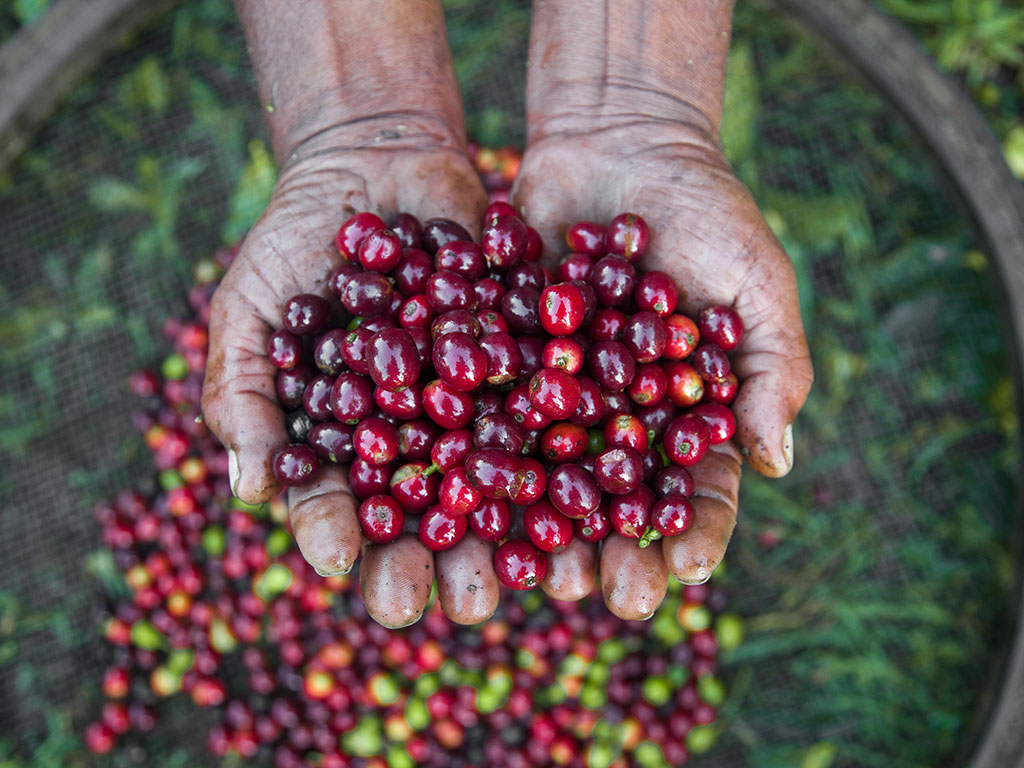
Arabica is considered particularly sensitive to climatic variability, making adaptation increasingly important for coffee-producing regions.
Future coffee production will therefore place greater emphasis on:
shade management, water management, variety selection, soil health, agroforestry and suitable elevation.
What Is the Ideal Climate for High-Quality Arabica?
There is no single climate formula that guarantees high-quality Arabica.
However, the following combination generally provides favorable conditions:
| Factor | Preferred Conditions for High-Quality Arabica |
| Temperature | Moderate and not excessively hot |
| Annual average | Approximately 18–23°C |
| Rainfall | Sufficient and seasonally balanced |
| Dry season | Distinct but not excessive |
| Altitude | Appropriate for the region and variety |
| Sunlight | Balanced light exposure |
| Shade | Controlled and well managed |
| Humidity | Balanced |
| Wind | Limited excessive exposure |
| Soil | Deep and well drained |
| Microclimate | Stable and balanced |
| Frost | Absent |
| Harvest period | Relatively favorable weather conditions |
The most important principle is:
High-quality coffee does not require one perfect environmental factor. It requires multiple factors to work together.
The Malkins Coffee Perspective on Coffee Climate
From the Malkins Coffee perspective, the name of the country alone is not enough to understand a green coffee.
A deeper understanding of the production environment is necessary.
A coffee’s production story can be viewed through the following chain:
Country → region → district → farm → altitude → microclimate → variety → harvest → processing
This information helps explain why two coffees from the same country can have dramatically different characteristics.
For example, the description “Ethiopian Arabica” provides useful information, but it is only the starting point.
To understand the coffee more completely, we need to consider:
- the production region,
- altitude,
- genetic material,
- climate,
- harvest period,
- processing method,
- drying conditions.
For this reason, green coffee quality should be considered not only through the physical characteristics of the beans, but also through the environmental system in which those beans were produced.
Conclusion: Coffee Climate Is the Beginning of Coffee Character
Coffee plants grow in warm climates, but high-quality Arabica requires much more than warmth.
Coffea arabica can reach its quality potential in environments with moderate temperatures, no frost, sufficient and well-distributed rainfall, suitable altitude, well-drained soils and balanced microclimatic conditions.
Temperature affects the rate of fruit development.
Rainfall supplies the plant with water.
The dry season can influence flowering.
Altitude changes temperature and ripening speed.
Sunlight and shade influence the plant’s energy balance.
Microclimate determines how all these factors come together at a specific farm.
This is why the most useful question is not simply:
“Which country does this coffee come from?”
A more meaningful question is:
“Under what environmental conditions was this coffee grown?”
Because the story of a high-quality green coffee does not begin with a country name.
It begins with climate.
And that climate interacts with altitude, soil, rainfall, temperature, microclimate, genetics, farming practices and processing to establish the foundation of the coffee’s character in the cup.
Frequently Asked Questions
1. What climate does the coffee plant grow in?
Coffee plants generally grow in tropical and subtropical climates. Arabica tends to perform best in cooler, frost-free environments with sufficient rainfall and suitable altitude.
2. What is the ideal temperature for Arabica coffee?
An approximate range of 18–23°C is commonly considered suitable for Arabica, while around 18–21°C may be particularly favorable under many production conditions.
3. Can coffee grow in very hot climates?
Coffee can tolerate some degree of high temperature, but prolonged heat is particularly stressful for Arabica. Excessive heat can affect plant physiology, water demand, fruit development and potentially coffee quality.
4. At what altitude is Arabica coffee grown?
Arabica can grow across a broad elevation range. Approximately 950–1,950 meters above sea level is commonly associated with important Arabica production areas, although actual suitability depends on latitude, temperature, variety and microclimate.
5. How much rainfall does coffee need?
Approximately 1,400–2,000 mm of annual rainfall is commonly considered suitable for many Arabica production systems. However, rainfall distribution throughout the year is just as important as the total amount.
6. Does coffee need a dry season?
A controlled dry season can play an important role in the flowering cycle of coffee. However, prolonged or severe drought can cause water stress and reduce plant productivity.
7. Does higher altitude always mean better coffee?
No. Higher altitude can contribute to cooler temperatures and slower cherry development, but altitude alone does not guarantee higher quality. Variety, soil, climate, microclimate, harvesting and processing are also important.
8. Does coffee prefer sunlight or shade?
Coffee requires light for photosynthesis, but controlled shade can help moderate temperature and microclimate, especially in warmer environments. Excessive shade, however, can reduce available light.
9. Do Arabica and Robusta grow in the same climate?
Not exactly. Arabica generally performs better in cooler and often higher-elevation environments, while Robusta is more adapted to warmer and lower-elevation conditions.
10. Does climate affect coffee flavor?
Yes. Climate can influence fruit development, ripening speed and the chemical composition of coffee. However, cup characteristics are the result of several interacting factors, including genetics, altitude, soil, harvest maturity, processing, drying and roasting.