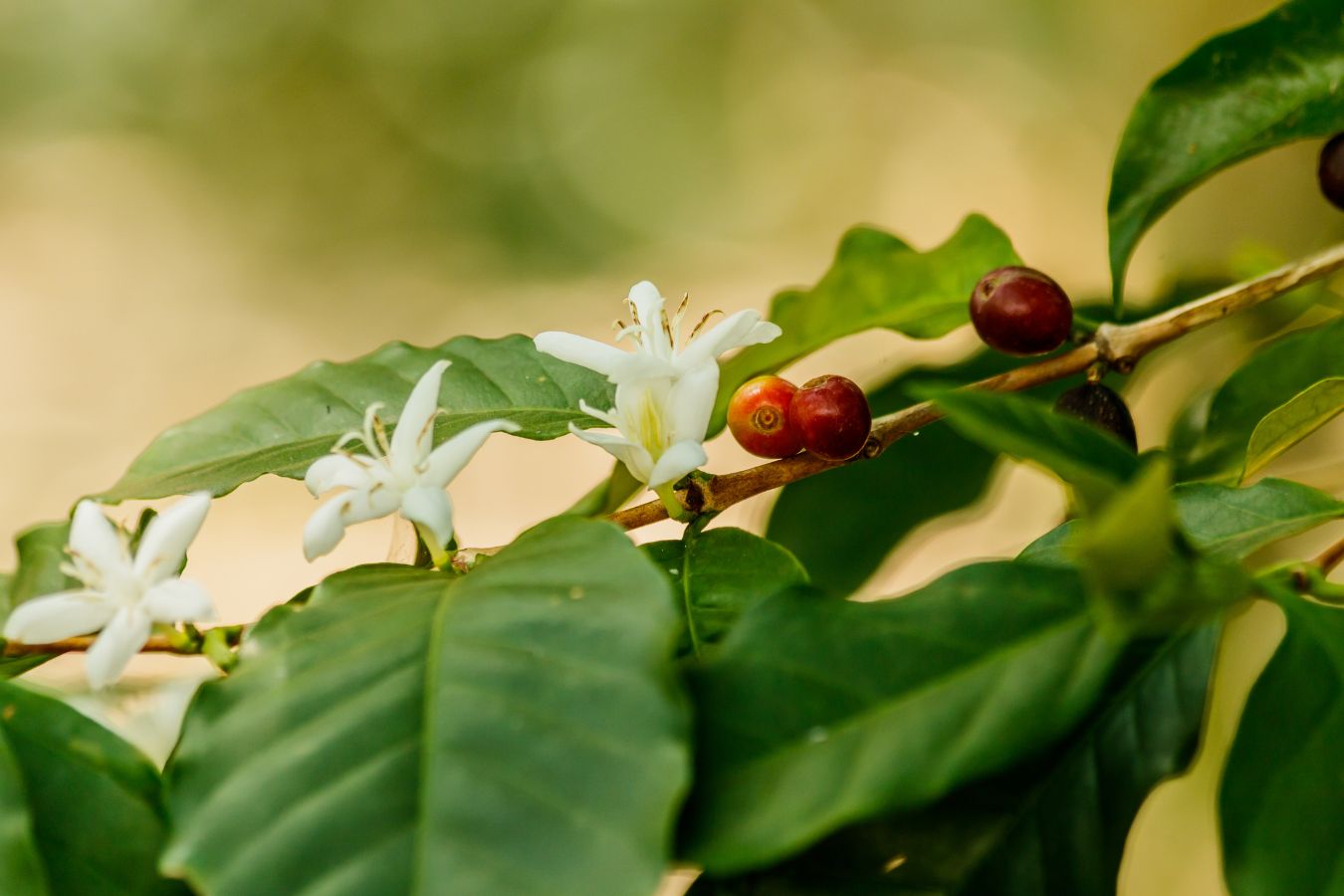


Ultimate Green Coffee Guide
Everything You Need to Know About Green Coffee: From Origin to Global Trade
Coffee is one of the most widely consumed beverages in the world and is enjoyed by millions of people every day. However, the story of coffee begins long before it reaches your cup. Behind every rich aroma and complex flavor lies a journey that starts with green coffee beans.
Green coffee is the unprocessed, unroasted form of coffee; it is the stage where quality is truly determined. Every step—from cultivation and processing to trade and storage—plays a critical role in shaping the final cup profile.
This comprehensive guide explores the world of green coffee in depth, covering:
- what green coffee is
- coffee species and varieties
- processing methods
- quality standards
- cupping and sensory analysis
- coffee trade and import processes
- storage techniques
- sustainability certifications
- global coffee market trends
What Is Green Coffee?
Green coffee refers to raw, unroasted coffee beans that have been processed and dried after harvesting the coffee cherry. At this stage, the beans have not yet developed the characteristic flavors and aromas associated with roasted coffee.
After harvesting, coffee cherries go through several steps:
- harvesting
- processing
- drying
- hulling
Once these steps are completed, the beans are ready for export and are known as green coffee beans.
Although green coffee has a mild and grassy flavor, it contains the full chemical structure needed to develop complex aromas during roasting. This is why green coffee quality is one of the most important factors in determining the final taste of coffee.
Coffee Species: Arabica vs Robusta
The global coffee industry is largely built on two main species: Arabica and Robusta.
| Coffee Type | Botanical Name | Characteristics | Usage |
| Arabica | Coffea arabica | Smooth, complex, aromatic | Specialty coffee |
| Robusta | Coffea canephora | Strong body, higher caffeine | Espresso blends |
| Liberica | Coffea liberica | Rare, fruity notes | Niche markets |
| Excelsa | Coffea excelsa | Bright acidity | Specialty blends |
Arabica Coffee
Arabica accounts for approximately 60–70% of global production.
Key characteristics:
- complex flavor profile
- higher acidity
- lower caffeine
- grown at high altitudes
Robusta Coffee
Robusta is more resilient and easier to cultivate.
Key characteristics:
- stronger and more bitter taste
- higher caffeine content
- grown at lower altitudes
- higher yield
Coffee Processing Methods
Once coffee cherries are harvested, they must be processed to extract the beans. The processing method has a significant impact on the coffee’s flavor profile.
| Process Method | Description | Flavor Profile |
| Washed | Fermented and washed | Clean, bright acidity |
| Natural | Dried with fruit intact | Sweet, fruity |
| Honey | Partially pulped | Balanced sweetness |
| Wet Hulled | Common in Indonesia | Heavy body |
Washed Process
In this method, the fruit is removed before drying, and beans are fermented and washed.
Result:
- clean and crisp flavors
- higher clarity
- bright acidity
Natural Process
Coffee cherries are dried whole, allowing the beans to absorb sugars from the fruit.
Result:
- intense sweetness
- fruity and wine-like notes
- fuller body
Green Coffee Quality Standards
Green coffee is evaluated through both physical and sensory analysis.
| Quality Factor | Description |
| Moisture content | Ideally 10–12% |
| Bean size | Measured by screen grading |
| Defect count | Number of defective beans |
| Density | Indicates bean quality |
| Flavor potential | Assessed through cupping |
High-quality green coffee ensures better roasting performance and a more consistent cup profile.
Coffee Cupping and Sensory Analysis
Cupping is the standard method used by professionals to evaluate coffee quality.
It allows importers, roasters, and buyers to analyze the flavor profile objectively.
Key Cupping Attributes
| Attribute | Description |
| Aroma | Fragrance of the coffee |
| Acidity | Brightness and liveliness |
| Body | Mouthfeel |
| Flavor | Overall taste profile |
| Aftertaste | Finish |
According to Specialty Coffee Association standards:
- 80+ points = Specialty coffee
- 85+ points = Excellent quality
- 90+ points = Outstanding
Coffee Trade and Supply Chain
Coffee is one of the most traded agricultural commodities in the world. The supply chain is complex and involves multiple stakeholders.
Coffee Supply Chain Structure
Farmer → Cooperative → Exporter → Importer → Roaster → Consumer
Major Coffee Producing Countries
| Country | Strength |
| Brazil | Largest producer |
| Vietnam | Robusta leader |
| Colombia | High-quality Arabica |
| Ethiopia | Coffee origin |
| Honduras | Emerging producer |
The global coffee trade relies heavily on efficient logistics and strong relationships between these players.
Green Coffee Import Process
Green coffee importation is a critical part of the coffee supply chain.
Import Process Steps
| Step | Description |
| Sourcing | Selecting producers |
| Sampling | Quality testing and cupping |
| Contracting | Pricing and agreements |
| Shipping | Container transport |
| Customs | Documentation and clearance |
Coffee is typically transported in jute bags or protective liners to preserve quality during transit.
Green Coffee Storage
Proper storage is essential to maintain the quality of green coffee over time.
| Factor | Recommended Condition |
| Temperature | 18–22°C |
| Humidity | Below 60% |
| Ventilation | Good airflow |
| Light | Minimal exposure |
Poor storage conditions can lead to:
- mold formation
- flavor degradation
- loss of quality
Coffee Certifications and Sustainability
Sustainability has become a key focus in the coffee industry. Certifications help ensure ethical and environmentally responsible production practices.
Coffee certifications play a crucial role in creating a more transparent and responsible supply chain. They provide assurance that coffee is produced under specific environmental, social, and economic standards. For importers and roasters, these certifications serve as a reliable indicator of quality, traceability, and ethical sourcing. As consumers become more conscious of how their coffee is produced, certified coffees are gaining increasing importance in the global market.
The most widely recognized certifications include Fairtrade, Organic, Rainforest Alliance, and UTZ. Fairtrade focuses on ensuring fair wages and better working conditions for farmers, while Organic certification limits the use of synthetic chemicals in farming. Rainforest Alliance promotes environmental conservation and biodiversity, and UTZ encourages sustainable agricultural practices and farm management. Together, these certifications contribute to a more sustainable and ethical coffee industry.
Global Coffee Market and Trends
The global coffee market is valued at over $200 billion and continues to grow steadily.
Key Market Trends
- rise of specialty coffee
- increasing demand for single origin coffee
- focus on sustainability
- growth in emerging markets
Major Consumption Regions
| Region | Characteristic |
| Europe | Highest per capita consumption |
| North America | Large market |
| Asia | Fast-growing demand |
The shift toward quality and traceability is reshaping the global coffee industry.
Ultimate Green Coffee Guide Final Thoughts
Green coffee is the foundation of the entire coffee industry. From the farm to the final cup, every step in the journey influences the taste, quality, and sustainability of coffee.
Understanding green coffee—from its origin and processing to its trade and evaluation—allows coffee professionals to make better decisions and deliver higher quality products.
As the industry evolves, the importance of transparency, sustainability, and quality continues to grow. At the heart of this transformation lies green coffee and the global network that supports it.
Frequently Asked Questions (FAQ)
1. What is green coffee?
Green coffee refers to raw, unroasted coffee beans that have been processed and dried after harvesting. These beans are later roasted to develop the flavors and aromas associated with coffee.
2. Why is green coffee important in the coffee industry?
Green coffee determines the final flavor, aroma, and quality of coffee. The characteristics of the raw bean directly impact roasting performance and the final cup profile.
3. What is the difference between Arabica and Robusta green coffee?
Arabica green coffee offers complex, smooth, and aromatic flavors, while Robusta green coffee has a stronger taste, higher caffeine content, and heavier body, making it ideal for espresso blends.
4. How is green coffee processed?
Green coffee is processed using methods such as:
- washed (wet process)
- natural (dry process)
- honey process
- wet hulled
Each method influences the coffee’s flavor profile differently.
5. How is green coffee quality evaluated?
Quality is assessed through:
- moisture content
- bean size (screen grading)
- defect count
- density
- cupping (sensory analysis)
These factors determine the overall quality and market value of green coffee.
6. What is coffee cupping?
Cupping is a standardized tasting method used by coffee professionals to evaluate aroma, flavor, acidity, body, and overall balance of coffee.
7. How does the green coffee import process work?
The process includes:
- sourcing coffee producers
- sample evaluation
- contract negotiation
- shipping and logistics
- customs clearance
It requires expertise in both quality control and international trade.
8. How should green coffee beans be stored?
Green coffee should be stored in cool, dry, and well-ventilated conditions, ideally at 18–22°C with humidity below 60% to preserve quality.
9. What certifications are important in coffee trade?
Key certifications include:
- Fairtrade
- Organic
- Rainforest Alliance
- UTZ
These ensure ethical sourcing, sustainability, and environmental responsibility.
10. What are the latest trends in the global coffee market?
Major trends include:
- growth of specialty coffee
- increasing demand for single origin coffee
- focus on sustainability
- rising coffee consumption in emerging markets