

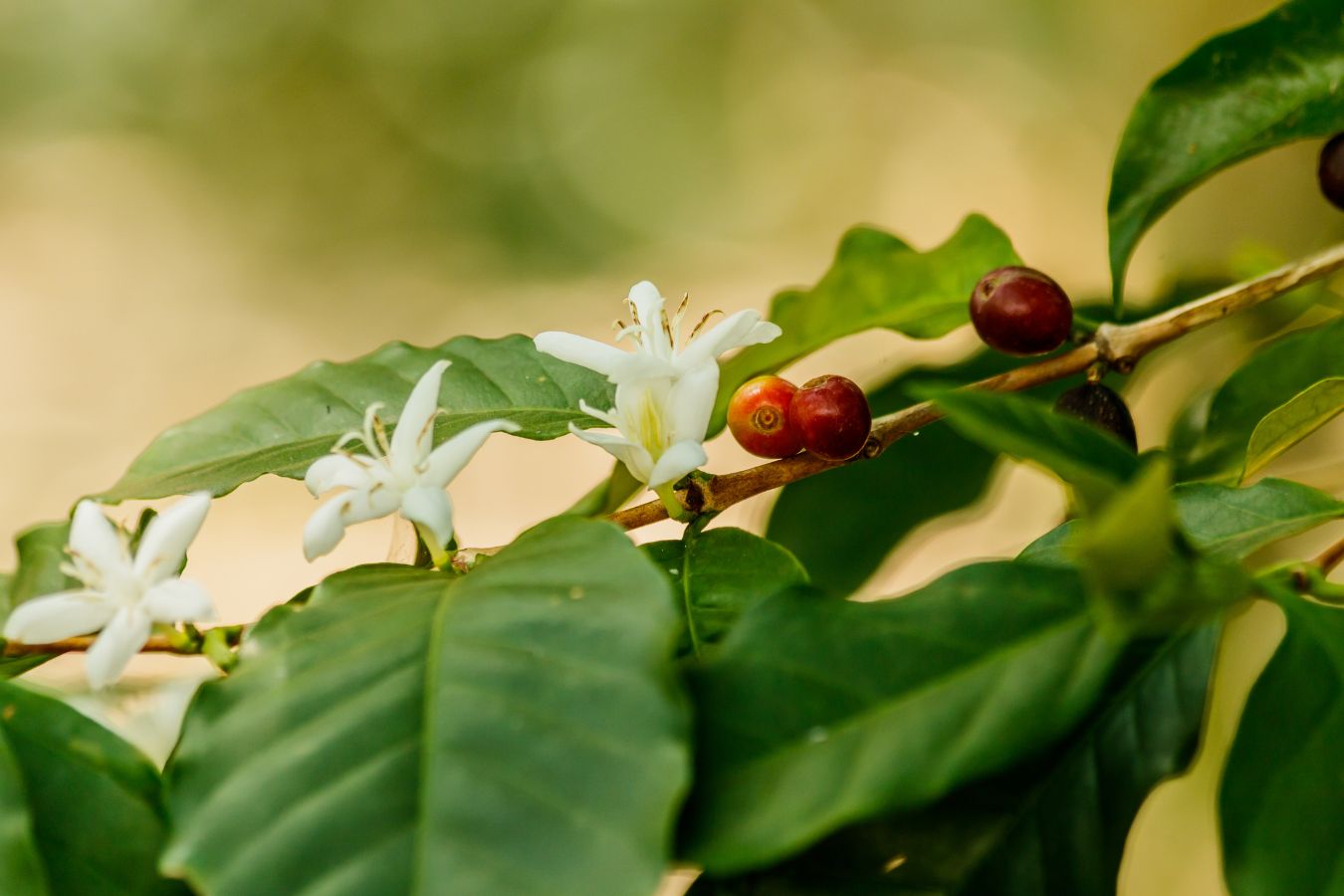
Coffee Varieties: The Typica Variety Guide
Coffee Varieties: The Typica Variety Guide
In the world of coffee, certain varieties are recognized not merely as cultivars but as the very foundation of modern coffee cultivation. Among these, Typica stands as one of the most influential and historically significant coffee varieties ever cultivated.
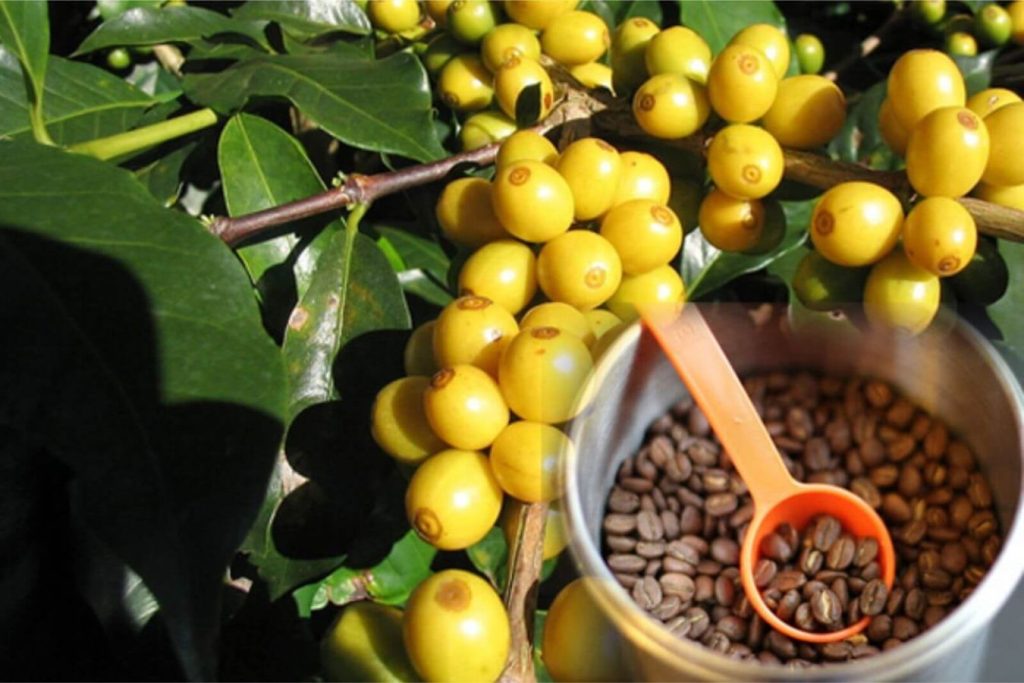
As one of the original Arabica lineages, Typica has played a critical role in shaping the global coffee industry and serves as the genetic ancestor of numerous coffee varieties grown today.
Within the specialty coffee sector, Typica is highly respected for its clean cup profile, elegant acidity, balanced body, and exceptional quality potential. Although its productivity is lower than many modern hybrid cultivars, its refined sensory characteristics continue to make it a preferred choice among premium coffee farms and specialty coffee producers worldwide.
Research in coffee botany demonstrates that the diversity of Coffea arabica varieties forms the backbone of quality differentiation within the global coffee market.
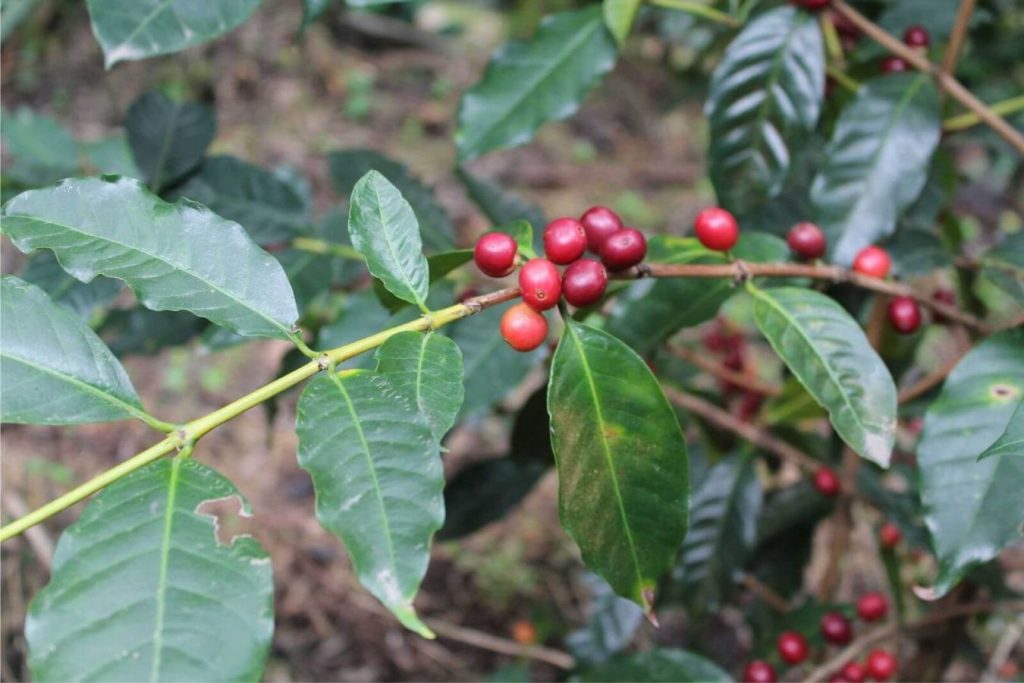
Typica, in particular, is widely regarded as one of the foundational genetic lines from which many important varieties have emerged. Specialty coffee literature frequently identifies Typica as a direct or indirect ancestor of Bourbon, Maragogype, Blue Mountain, and numerous other prestigious Arabica cultivars.
What Is the Typica Variety?
Typica is considered one of the oldest and purest genetic lines within the Coffea arabica species.
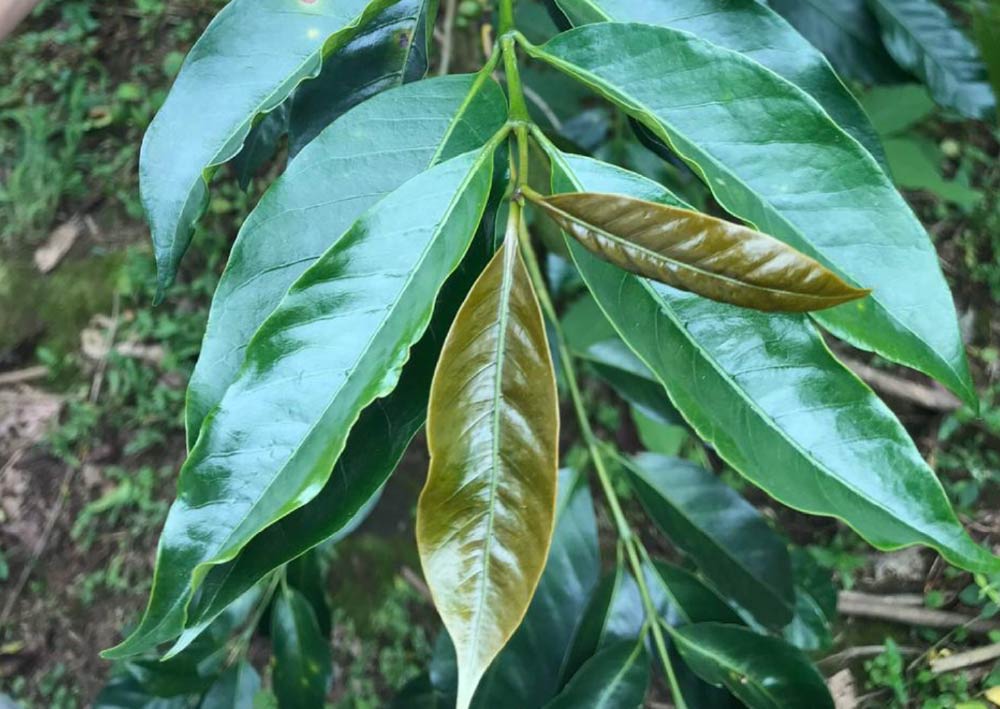
Its history traces back to the early movement of coffee from Ethiopia to Yemen, and later throughout Asia, the Caribbean, and Latin America.
Today, coffee professionals often refer to Typica as one of the primary Arabica varieties. A significant portion of the world’s Arabica cultivars can trace their genetic heritage directly or indirectly to Typica.
The defining characteristics of Typica include:
- Tall and conical tree structure
- Low to moderate productivity
- Exceptional cup quality potential
- Clean and balanced cup profile
- Elegant acidity
- Complex aromatic expression
Because of these attributes, Typica remains one of the benchmark varieties within specialty coffee.
The History and Origin of Typica Coffee
Coffee’s natural origin is widely accepted to be Ethiopia. From there, coffee was transported to Yemen, where cultivation expanded throughout the Arabian Peninsula before spreading across the world.
Typica developed from Arabica plants that traveled from Yemen to India and Indonesia.
Dutch traders later introduced these coffee trees to Java, from where they eventually spread throughout the Caribbean and Latin America.

Today, many of the most important Arabica varieties cultivated in Latin America have genetic roots linked to Typica.
The historical significance of Typica includes:
- Being one of the oldest Arabica varieties in existence
- Serving as a genetic foundation for numerous modern cultivars
- Establishing quality standards within specialty coffee
- Playing a crucial role in the expansion of global coffee cultivation
Botanical Characteristics of Typica
| Characteristic | Description |
| Species | Coffea arabica |
| Genetic Lineage | Pure Arabica line |
| Origin | Ethiopia–Yemen lineage |
| Tree Structure | Tall and conical |
| Productivity | Low to moderate |
| Altitude Adaptation | Medium to high elevations |
| Acidity | Bright and elegant |
| Body | Balanced |
| Aroma | Floral, fruity, sweet |
| Specialty Potential | Very high |
Where Is Typica Grown?
Typica is cultivated across many coffee-producing countries around the world. However, certain regions are particularly renowned for expressing the variety’s unique characteristics.
Guatemala
Guatemalan Typica coffees are celebrated for their vibrant acidity, chocolate undertones, and complex aromatic structure.
Colombia
Typica coffees grown in Colombia often showcase red fruit notes, caramel sweetness, and a balanced body.
Peru
Peruvian Typica lots are known for their floral aromatics, citrus characteristics, and exceptionally clean cups.
Jamaica
The famous Jamaica Blue Mountain coffees derive much of their genetic heritage from Typica.
Indonesia
Indonesia remains home to some of the oldest surviving Typica lineages, making it an important region for coffee genetic preservation.
The Typica Cup Profile
Many coffee professionals consider Typica to represent the classic Arabica profile.
| Cup Attribute | Character |
| Acidity | Bright and elegant |
| Body | Medium |
| Sweetness | High |
| Aroma | Floral and fruity |
| Aftertaste | Clean and lingering |
| Complexity | High |
Common tasting notes include:
- Jasmine
- Bergamot
- Honey
- Caramel
- Citrus
- Red berries
- Milk chocolate
Typica vs Bourbon
Typica and Bourbon are among the most frequently compared varieties within specialty coffee.
| Attribute | Typica | Bourbon |
| Tree Structure | Tall | More compact |
| Productivity | Lower | Higher |
| Sweetness | High | Very high |
| Acidity | Elegant | More pronounced |
| Aroma | Floral | Fruit-forward |
| Complexity | High | Very high |
Both varieties remain among the most prestigious Arabica cultivars in the specialty coffee industry.
Typica and Specialty Coffee
As the specialty coffee movement has evolved, varietal identity has become increasingly important for coffee professionals.
Typica is particularly valued in:
- Micro-lot production
- Competition coffees
- Premium specialty coffee programs
- Single-origin projects
- High-scoring cupping lots
Many Cup of Excellence-winning coffees can trace part of their genetic heritage back to Typica.
Advantages of the Typica Variety
Exceptional Cup Quality
Typica is widely recognized as one of the finest Arabica varieties in terms of sensory quality.
Clean Cup Profile
The variety is known for its clarity, transparency, and refined flavor expression.
High Specialty Coffee Potential
Under ideal terroir and processing conditions, Typica can achieve outstanding cupping scores.
Genetic Importance
Typica serves as a foundational genetic source for many modern Arabica cultivars.
Challenges of Typica
| Challenge | Description |
| Low Productivity | Can limit commercial profitability |
| Disease Susceptibility | Vulnerable to Coffee Leaf Rust |
| High Maintenance Requirements | Requires careful farm management |
| Climate Sensitivity | Sensitive to environmental fluctuations |
These factors have encouraged some producers to adopt more productive hybrid varieties.
The Impact of Processing Methods on Typica
Washed Process
- Clean cup profile
- Floral aromatics
- Vibrant acidity
Natural Process
- Enhanced fruit character
- Increased sweetness
- Syrupy body
Honey Process
- Honey-like sweetness
- Balanced acidity
- Layered complexity
Typica adapts remarkably well to a variety of processing methods.
Roasting Characteristics of Typica
Typica is often regarded as one of the most predictable and versatile Arabica varieties for roasting.
Medium roast profiles tend to emphasize:
- Floral aromatics
- Citrus notes
- Honey sweetness
- Caramel complexity
Darker roast profiles may develop:
- Cocoa
- Dark chocolate
- Roasted nut characteristics
This versatility allows Typica to perform exceptionally well in both filter coffee and espresso applications.
The Malkins Coffee Perspective on Typica
At Malkins Coffee, Typica is viewed as more than just a coffee variety; it represents one of the cornerstones of modern coffee culture.
Typica lots are carefully evaluated during green coffee sourcing, cupping analysis, and premium coffee projects because of their:
- Historical significance
- Exceptional quality potential
- Clean cup profile
- Enduring specialty coffee value
For coffee professionals, Typica remains one of the most respected and influential varieties in the world.
Conclusion
Typica is one of the most important Arabica varieties in coffee history. Its role as a genetic foundation for countless modern cultivars, combined with its outstanding cup quality and enduring relevance within specialty coffee, secures its place among the most prestigious coffee varieties ever cultivated.
Today, evaluating coffee quality extends far beyond origin alone. Variety, terroir, altitude, and processing method all play essential roles in defining cup quality. Within this framework, Typica continues to represent one of the finest examples of excellence in Arabica coffee.
For specialty coffee roasters, green coffee importers, and coffee professionals alike, Typica offers a unique connection to the roots of coffee cultivation and an enduring legacy of quality.
Frequently Asked Questions (FAQ) About the Typica Coffee Variety
1. What is the Typica coffee variety?
Typica is one of the oldest and most influential varieties of Coffea arabica. It is considered a foundational Arabica lineage and serves as the genetic ancestor of many modern coffee cultivars grown around the world today.
2. Where did Typica coffee originate?
Typica traces its origins to the ancient coffee-growing regions of Ethiopia and Yemen. From there, it spread to India, Indonesia, the Caribbean, and Latin America, becoming one of the most important varieties in the history of coffee cultivation.
3. What does Typica coffee taste like?
Typica coffee is known for its clean cup profile, bright acidity, balanced body, and refined sweetness. Common tasting notes include jasmine, bergamot, honey, caramel, citrus fruits, red berries, and milk chocolate.
4. Why is Typica important in specialty coffee?
Typica is highly valued in specialty coffee because of its exceptional cup quality, genetic significance, and ability to express terroir. Many award-winning coffees and premium micro-lots originate from Typica or Typica-derived varieties.
5. What is the difference between Typica and Bourbon coffee?
While both are prestigious Arabica varieties, Typica typically offers a cleaner and more floral cup profile, whereas Bourbon is often characterized by greater sweetness and fruit-forward flavors. Bourbon also tends to have higher productivity than Typica.
6. Which countries produce the best Typica coffee?
Some of the most respected Typica coffees come from Guatemala, Colombia, Peru, Jamaica, and Indonesia. High-altitude growing regions often produce the most complex and flavorful Typica lots.
7. Is Typica coffee suitable for espresso?
Yes. Typica performs exceptionally well as espresso, developing notes of caramel, chocolate, honey, and nuts. It is also highly regarded for filter coffee brewing, where its floral and citrus characteristics can be fully appreciated.
8. Which processing method is best for Typica coffee?
Typica adapts well to multiple processing methods. Washed processing highlights clarity and acidity, natural processing enhances fruit sweetness and body, while honey processing creates a balanced and complex flavor profile.
9. Why is Typica coffee less common than some modern varieties?
Typica has lower productivity and is more susceptible to diseases such as Coffee Leaf Rust compared to many modern hybrid cultivars. As a result, some producers choose higher-yielding varieties, despite Typica’s superior cup quality.
10. Why do green coffee buyers and roasters seek Typica coffee?
Green coffee importers, specialty coffee roasters, and coffee professionals value Typica because of its historical importance, outstanding sensory profile, terroir expression, and consistent ability to produce high-scoring specialty coffees. Its reputation as one of the world’s finest Arabica varieties makes it highly desirable in the premium coffee market.

