


Coffee Varieties: The Maragogype Variety Guide
Coffee Varieties: The Maragogype Variety Guide
In the world of coffee, some varieties stand out not only because of their agricultural characteristics, but also due to their extraordinary sensory profiles and unique physical appearance. Among these rare and prestigious coffee varieties, Maragogype occupies a special position.

Often referred to as “Elephant Bean Coffee” because of its exceptionally large bean size, Maragogype has become one of the most visually distinctive and exclusive varieties in the specialty coffee industry.
Recognized as one of the rarest Arabica coffee varieties, Maragogype is valued for its low-density bean structure, elegant cup profile, complex aromatics, and refined drinking experience.

Today, it is cultivated in limited quantities across Guatemala, Nicaragua, Mexico, Brazil, Colombia, and several other Latin American coffee-producing regions.
Studies on coffee botany demonstrate that the genetic diversity of Coffea arabica forms the foundation of the global coffee industry’s quality spectrum. Specialty coffee literature also highlights that varietal knowledge has become increasingly important not only for producers, but also for green coffee importers, Q-graders, roasters, and specialty coffee professionals.
What Is the Maragogype Variety?
Maragogype is a natural mutation of the Typica variety within the Coffea arabica species. It was first discovered in the Maragogipe region of Bahia, Brazil, from which it takes its name.

The most distinctive feature of Maragogype is its unusually large bean size.
Compared to standard Arabica beans, Maragogype beans are significantly larger, leading to the nickname “Elephant Bean Coffee” within the coffee industry.
However, Maragogype is not valued solely for its size. Its refined sensory profile, delicate acidity, complex aromatics, and elegant cup structure have positioned it among the most prestigious specialty coffee varieties in the world.
The Origin of Maragogype Coffee
Throughout coffee’s historical journey from Ethiopia to Yemen and eventually across the globe, numerous natural mutations and coffee varieties emerged. Maragogype is considered one of the most important natural mutations of the Typica lineage.
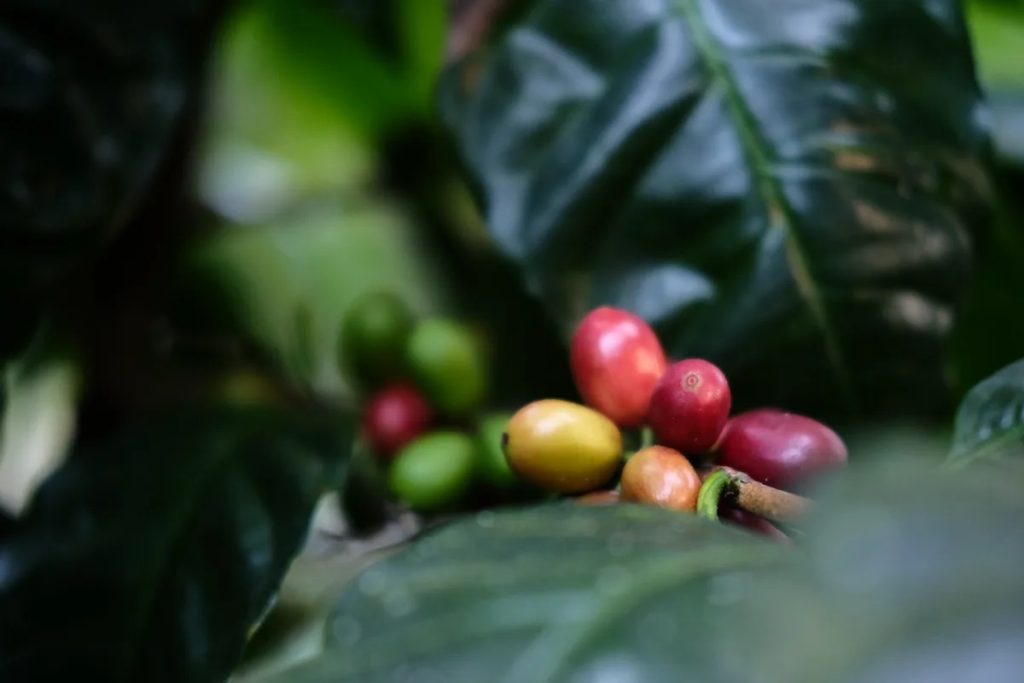
The variety was first identified in Brazil during the 19th century before spreading throughout Central America.
Producers soon discovered that Maragogype developed exceptionally sophisticated flavor profiles when cultivated at higher elevations under ideal terroir conditions.
Several factors limited its widespread commercial expansion:
- Lower productivity
- Sensitive agricultural structure
- Climate vulnerability
- Processing challenges due to large bean size
For these reasons, Maragogype is primarily associated today with specialty coffee farms and premium micro-lot production.
Botanical Characteristics of Maragogype
| Characteristic | Description |
| Species | Coffea arabica |
| Genetic Origin | Typica mutation |
| Discovery Location | Brazil |
| Bean Size | Exceptionally large |
| Plant Structure | Tall and expansive |
| Productivity | Low to medium |
| Altitude Adaptation | High altitude |
| Acidity | Soft and elegant |
| Body | Medium |
| Flavor Profile | Floral, spicy, fruity |
| Processing Difficulty | High |
Where Is Maragogype Grown?
Maragogype production remains relatively limited worldwide and is mostly cultivated by specialty coffee-focused farms.
Guatemala
Guatemalan Maragogype coffees are highly regarded for their floral complexity, cocoa undertones, and refined sweetness. Volcanic soils and high-altitude terroirs contribute significantly to cup complexity.
Nicaragua
Nicaraguan Maragogype lots often display tropical fruit notes, balanced acidity, silky body, and elegant sweetness.
Mexico
Mexican Maragogype coffees can present spiced aromatics, cocoa characteristics, and smooth cup structures.
Brazil
Brazilian Maragogype coffees are typically associated with lower acidity, nutty sweetness, chocolate notes, and balanced body.
Maragogype Cup Profile
Within the specialty coffee industry, Maragogype is frequently described as an “elegant cup” coffee due to its refined sensory structure.
| Cup Attribute | Character |
| Acidity | Soft and delicate |
| Body | Balanced |
| Sweetness | High |
| Aroma | Floral and spicy |
| Aftertaste | Long and clean |
| Complexity | High |
Common tasting notes may include:
- Jasmine
- Cocoa
- Tropical fruits
- Caramel
- Honey
- Citrus
- Delicate spice tones
Maragogype vs Typica
| Attribute | Maragogype | Typica |
| Bean Size | Very large | Standard |
| Productivity | Lower | Medium |
| Aromatic Complexity | Higher | Balanced |
| Agricultural Resistance | Sensitive | Moderate |
| Cup Structure | More refined | Classic Arabica profile |
While Typica delivers the classic Arabica experience, Maragogype offers a more exotic, sophisticated, and layered sensory profile.
Maragogype and Specialty Coffee
As the specialty coffee movement expanded globally, demand for rare coffee varieties increased significantly. Today, coffee professionals evaluate coffees not only by origin, but also through varietal identity, fermentation style, and processing details.
Maragogype stands out particularly in:
- Micro-lot production
- Premium specialty coffees
- Competition coffees
- Experimental fermentation projects
- High-scoring cupping lots
Because of its rarity and limited production volume, Maragogype coffees often belong to premium price segments.
Advantages of the Maragogype Variety
Unique Bean Size
Its extraordinary visual appearance immediately distinguishes it from standard Arabica coffees.
Complex Aromatic Structure
Under the right terroir and processing conditions, Maragogype can produce exceptionally layered and elegant cups.
Premium Specialty Potential
The variety is highly suitable for premium specialty coffee programs and exclusive micro-lots.
Smooth Drinking Experience
Its delicate acidity and refined body create a highly balanced and approachable cup.
Challenges of Maragogype
| Challenge | Description |
| Low Productivity | Limits large-scale commercial production |
| Disease Sensitivity | Vulnerable to common Arabica diseases |
| Processing Difficulty | Large beans require careful processing |
| Climate Sensitivity | Requires stable environmental conditions |
Because of these challenges, Maragogype remains relatively uncommon in mass-market coffee production.
How Processing Methods Affect Maragogype
Washed Process
- Cleaner cup profile
- Floral aromatics
- Delicate acidity
Natural Process
- Intense fruit character
- Higher sweetness
- Syrupy body
Honey Process
- Honey-like sweetness
- Balanced acidity
- Layered aromatic transitions
Processing style significantly influences the delicate sensory profile of Maragogype coffees.
Roasting Characteristics of Maragogype
Due to its unusually large bean size, Maragogype requires special attention during roasting. Heat transfer behaves differently compared to standard Arabica beans.
Medium roast profiles typically highlight:
- Floral aromatics
- Citrus acidity
- Honey and caramel sweetness
Darker roast profiles may develop:
- Cocoa notes
- Dark chocolate
- Roasted nut characteristics
This roasting versatility makes Maragogype particularly appealing for specialty coffee roasters.
The Malkins Coffee Perspective on Maragogype
At Malkins Coffee, coffee is viewed not merely as a commodity, but as a complex sensory experience shaped by terroir, varietal identity, processing methods, and roasting expertise.
For this reason, rare Arabica varieties such as Maragogype are carefully evaluated during green coffee sourcing, cupping analysis, and premium roasting projects.
For specialty coffee professionals, Maragogype represents a prestigious variety because of its:
- Limited availability
- Sophisticated cup profile
- Premium market positioning
- Strong micro-lot potential
Conclusion
Maragogype is one of the most extraordinary Arabica varieties in the coffee world. Its giant bean size, refined sensory profile, and premium specialty coffee potential make it one of the most distinctive and prestigious coffee varieties available today.
Although its low productivity and delicate agricultural requirements limit large-scale commercial cultivation, Maragogype offers a truly unique experience within high-end specialty coffee programs and micro-lot selections.
In today’s specialty coffee landscape, varietal identity has become just as important as terroir, altitude, and processing method. Within this sophisticated ecosystem, Maragogype remains one of the most remarkable and prestigious Arabica varieties in existence.
About the Maragogype Coffee Variety
1. What is the Maragogype coffee variety?
Maragogype is a natural mutation of the Typica variety within the Coffea arabica species. It is famous for its exceptionally large bean size and refined cup profile, which is why it is often called “Elephant Bean Coffee.”
2. What does Maragogype coffee taste like?
Maragogype coffee typically offers soft acidity, medium body, and a highly complex flavor profile. Common tasting notes include floral aromatics, cocoa, tropical fruits, honey, caramel, citrus, and delicate spice tones.
3. Why is Maragogype called “Elephant Bean Coffee”?
Maragogype beans are significantly larger than standard Arabica coffee beans. Because of their unusual size, the coffee industry commonly refers to them as “Elephant Bean Coffee.”
4. Where is Maragogype coffee grown?
Maragogype is mainly cultivated in Latin American coffee-producing countries such as Guatemala, Nicaragua, Mexico, Brazil, and Colombia. High-altitude regions often produce the most refined specialty-grade Maragogype coffees.
5. Is Maragogype considered specialty coffee?
Yes. Maragogype is regarded as a rare and premium Arabica variety within the specialty coffee industry. It is especially valued in micro-lot production, competition coffees, and high-end specialty coffee programs.
6. What is the difference between Maragogype and Typica coffee?
Maragogype is a natural mutation of Typica. While Typica delivers a more traditional Arabica profile, Maragogype offers much larger beans, more exotic aromatics, and a more refined sensory experience with lower agricultural productivity.
7. Which processing method works best for Maragogype coffee?
Washed process Maragogype coffees usually highlight floral aromatics and clean acidity. Natural process methods enhance fruit sweetness and body, while honey process coffees often develop balanced sweetness and layered complexity.
8. Why is Maragogype coffee expensive?
Maragogype coffee is expensive because of its low productivity, limited production volume, sensitive cultivation requirements, and strong demand within the premium specialty coffee market.
9. Is Maragogype suitable for espresso?
Yes. Maragogype performs well in espresso roasting profiles, often developing chocolate, caramel, cocoa, and nutty characteristics. In filter brewing methods, its floral and complex aromatics become even more pronounced.
10. Why is Maragogype important in the specialty coffee industry?
Maragogype is considered one of the most prestigious Arabica varieties because of its rarity, giant bean size, elegant sensory profile, and premium micro-lot potential. It represents exclusivity and craftsmanship within specialty coffee culture.

