
Natural vs Washed Process Coffee: A Complete Guide to Coffee Processing Methods
Natural Process vs Washed Process Coffee: A Complete Guide to Coffee Processing Methods
Coffee quality is determined by much more than its origin, altitude, or variety. One of the most influential factors shaping the final cup is the coffee processing method. Even coffee cherries harvested from the same farm, grown at the same elevation, and belonging to the same variety can produce remarkably different flavor profiles depending on how they are processed after harvest.

Among all coffee processing techniques, Natural Process and Washed Process are the two most widely used methods in the specialty coffee industry. Each method influences sweetness, acidity, body, aroma, clarity, and the overall sensory experience of the coffee.
For green coffee importers, specialty coffee roasters, Q Graders, and coffee professionals, understanding processing methods is essential for evaluating coffee quality, selecting green coffee, and developing optimal roasting profiles.
In this comprehensive guide, we’ll compare Natural Process and Washed Process coffee, explain how each method works, and explore their impact on flavor, roasting, sustainability, and specialty coffee quality.
What Is Coffee Processing?
Coffee processing refers to the series of steps that transform freshly harvested coffee cherries into stable green coffee beans ready for export, roasting, and brewing.
Fresh coffee cherries cannot be roasted immediately. Each seed is surrounded by multiple layers, including:
- Outer skin
- Fruit pulp
- Sticky mucilage
- Parchment layer
The primary objectives of coffee processing are to:
- Remove the fruit in a controlled manner
- Manage fermentation
- Dry the coffee safely
- Stabilize moisture content
- Prepare beans for long-term storage and export
Even small mistakes during processing can significantly reduce coffee quality and cupping scores.
Why Is Coffee Processing So Important?
Many coffee consumers believe that flavor depends mainly on origin. However, in specialty coffee, processing is considered equally important.
Professional coffee evaluation considers several quality factors together.
| Quality Factor | Impact on the Cup |
| Terroir | Mineral expression and character |
| Altitude | Acidity and density |
| Climate | Sugar development |
| Coffee Variety | Genetic flavor potential |
| Processing Method | Sweetness, body and complexity |
| Roasting | Final flavor development |
Processing methods directly influence:
- Sweetness
- Acidity
- Body
- Aroma intensity
- Fruit characteristics
- Cup clarity
- Aftertaste
- Overall cup quality
This explains why coffees from the same farm can taste completely different when processed using different methods.
What Is Natural Process Coffee?
Natural Process, also known as Dry Process, is the oldest known coffee processing method.
In this method, whole coffee cherries are dried without removing the fruit pulp.

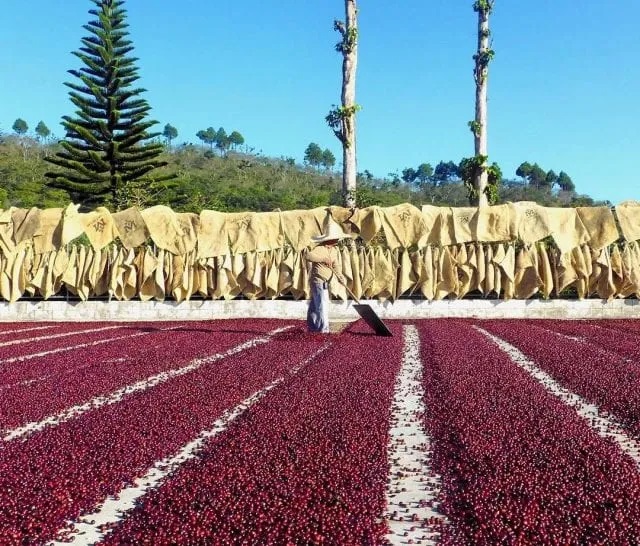
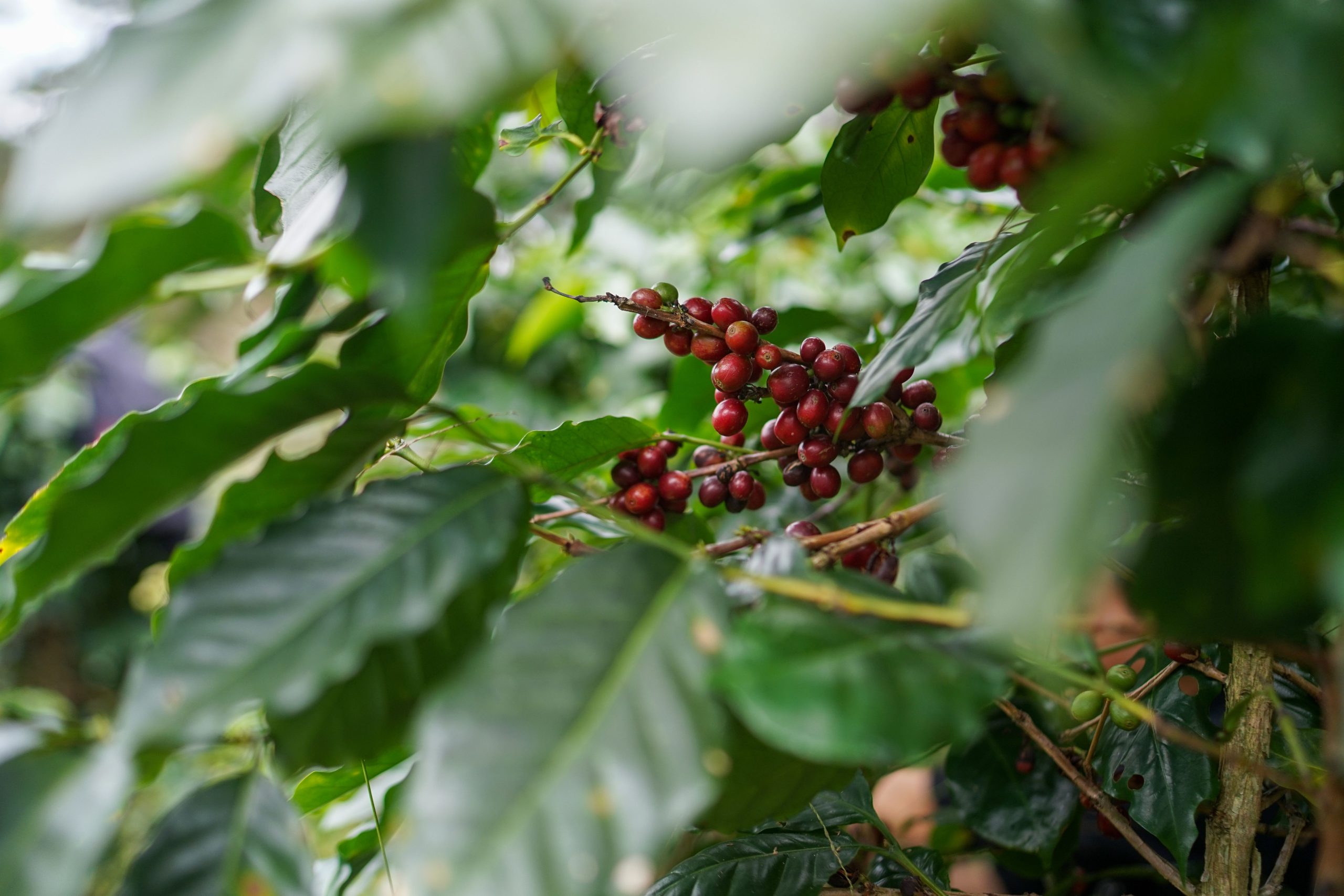
Only fully ripe cherries are selected after harvest and spread across raised drying beds or patios.
The cherries remain intact throughout the drying period, which typically lasts between 20 and 35 days.
During this time, natural fermentation occurs inside the fruit, allowing sugars and fruit compounds to migrate into the coffee bean.
This extended contact with the fruit is responsible for the intense sweetness and fruity complexity commonly found in Natural Process coffees.
How Does Natural Processing Work?
1. Harvesting
Only fully ripe cherries are handpicked.
2. Sorting
Defective and underripe cherries are removed.
3. Drying
Whole cherries are dried on raised African beds or concrete patios.
4. Natural Fermentation
The fruit slowly ferments while drying.
5. Hulling
Once fully dried, the outer fruit layers are mechanically removed to reveal the green coffee beans.
Characteristics of Natural Process Coffee
Natural coffees are generally known for:
- High sweetness
- Intense fruit flavors
- Full body
- Syrupy mouthfeel
- Long aftertaste
- Complex aroma development
Countries such as Ethiopia, Brazil, and Yemen have a long tradition of producing exceptional Natural Process coffees.
What Is Washed Process Coffee?
Washed Process, also known as Wet Process, is considered the benchmark processing method in specialty coffee.
Immediately after harvesting, the fruit skin and pulp are mechanically removed.

The beans, still covered with mucilage, are placed into fermentation tanks where naturally occurring microorganisms break down the remaining sticky layer.
After fermentation, the beans are thoroughly washed before being dried.
Because the fruit is removed early in the process, Washed coffees showcase the bean’s intrinsic characteristics more clearly.
Characteristics of Washed Process Coffee
Washed coffees typically offer:
- Exceptional cup clarity
- Bright acidity
- Floral aromatics
- Transparent flavor profile
- Balanced body
- High consistency
Countries such as Colombia, Guatemala, Kenya, and Costa Rica are internationally recognized for producing outstanding Washed coffees.
Natural Process vs Washed Process
| Feature | Natural Process | Washed Process |
| Fruit Contact | Throughout drying | Removed immediately |
| Fermentation | Inside the whole cherry | Controlled fermentation tanks |
| Sweetness | Very high | Balanced |
| Fruitiness | Intense | Moderate |
| Acidity | Softer | Brighter |
| Body | Full | Medium |
| Flavor Complexity | High | Clean and transparent |
| Cup Clarity | Moderate | Excellent |
| Defect Risk | Higher | Lower |
| Water Consumption | Very low | High |
Cup Profile Comparison
| Cup Attribute | Natural Process | Washed Process |
| Acidity | Medium | High |
| Sweetness | Very high | High |
| Body | Full | Balanced |
| Fruity Notes | Intense | Moderate |
| Floral Notes | Moderate | High |
| Cup Clarity | Medium | Excellent |
| Aftertaste | Long | Clean and elegant |
| Complexity | Very high | High |
Natural coffees commonly express notes of strawberry, blueberry, tropical fruits, dried fruits, and wine-like characteristics.
Washed coffees often highlight citrus, bergamot, jasmine, floral aromas, and refined acidity.
How Processing Affects Roasting
Coffee processing significantly influences roasting behavior.
Natural coffees generally contain higher sugar concentrations due to prolonged fruit contact, making caramelization more pronounced during roasting. Roasters often adjust roast profiles carefully to preserve sweetness while preventing excessive development.
Washed coffees usually roast more predictably, maintaining excellent acidity and flavor clarity. Many specialty coffee roasters create separate roast profiles for each processing method to maximize cup quality.
Which Processing Method Is Better for Espresso?
Both processing methods can produce exceptional espresso.
Natural Process coffees typically deliver:
- Rich body
- Higher sweetness
- Dense crema
- Fruit-forward espresso
Washed Process coffees generally provide:
- Clean espresso
- Vibrant acidity
- Greater flavor separation
- Elegant finish
The ideal choice depends on the desired espresso style and flavor profile.
Which Processing Method Is Better for Filter Coffee?
Processing differences become even more noticeable in filter brewing methods such as V60, Chemex, Kalita Wave, and Origami.
Natural coffees emphasize sweetness, body, and fruit complexity.
Washed coffees reveal greater clarity, floral aromatics, and terroir expression.
Neither method is objectively better; the preference depends entirely on the drinker’s taste.
Which Processing Method Is More Sustainable?
Both methods offer different sustainability advantages.
| Sustainability Factor | Natural Process | Washed Process |
| Water Usage | Very low | High |
| Energy Consumption | Low | Moderate |
| Defect Risk | Higher | Lower |
| Labor Requirement | Higher | Moderate |
| Environmental Impact | Lower | Requires wastewater management |
In regions with limited water resources, Natural Process is generally considered the more environmentally sustainable option.
The Malkins Coffee Perspective
At Malkins Coffee, we believe coffee quality is determined by far more than origin or variety. Processing method is one of the most important factors influencing how a coffee’s genetic potential is expressed in the cup.
During our green coffee sourcing process, we carefully evaluate not only origin, altitude, and variety, but also processing techniques, fermentation quality, moisture content, and sensory performance.
Natural Process coffees stand out with their fruit-forward complexity and rich sweetness, while Washed Process coffees showcase remarkable clarity, elegance, and terroir expression. Both methods hold an essential place within the world of specialty coffee and offer unique experiences for coffee professionals and enthusiasts alike.
Conclusion
Natural Process and Washed Process are two of the most influential coffee processing methods used in today’s specialty coffee industry. Rather than one being universally superior, each method offers distinctive sensory characteristics that suit different coffee varieties, terroirs, roasting styles, and consumer preferences.
Natural Process coffees are celebrated for their bold fruit flavors, syrupy sweetness, and full body, while Washed Process coffees are admired for their clean cup, vibrant acidity, and exceptional flavor clarity.
For green coffee buyers, specialty coffee roasters, baristas, and coffee enthusiasts, understanding coffee processing methods is essential for appreciating the remarkable diversity that exists within specialty coffee. Choosing between Natural and Washed Process ultimately comes down to the flavor experience you seek in every cup.
About Natural Process and Washed Process Coffee
1. What is the difference between Natural Process and Washed Process coffee?
The primary difference lies in how the coffee cherry is processed after harvesting. In the Natural Process, the whole coffee cherry is dried with the fruit intact, allowing sugars and fruit compounds to influence the bean. In the Washed Process, the fruit is removed before drying, resulting in a cleaner and more transparent cup profile.
2. Which coffee processing method produces sweeter coffee?
Natural Process coffees generally exhibit higher sweetness because the coffee bean remains in contact with the fruit during drying. This extended interaction enhances sugar absorption and often creates rich, fruit-forward flavor profiles.
3. Why do Washed Process coffees have a cleaner cup profile?
Washed Process coffees undergo controlled fermentation and thorough washing before drying. Removing the fruit early in the process minimizes fruit influence, allowing the coffee’s origin, variety, and terroir characteristics to shine with exceptional clarity.
4. Which processing method has higher acidity?
Washed Process coffees are typically known for their bright, crisp, and well-defined acidity. Natural Process coffees usually present a softer acidity balanced by greater sweetness and fuller body.
5. Which processing method is better for specialty coffee?
Both processing methods are highly valued in the specialty coffee industry. Natural Process coffees are appreciated for their complex fruit flavors and sweetness, while Washed Process coffees are preferred for their clean cup, floral aromatics, and precise flavor expression. The best choice depends on the desired sensory profile.
6. Is Natural Process coffee better for espresso?
Natural Process coffees often perform exceptionally well as espresso due to their syrupy body, intense sweetness, and vibrant fruit notes. However, Washed Process coffees also produce outstanding espresso with greater clarity, lively acidity, and a more refined finish. The ideal option depends on the preferred espresso style.
7. Which coffee processing method is best for filter brewing?
Both methods are excellent for filter coffee. Natural Process coffees deliver bold fruit flavors, rich body, and sweetness, while Washed Process coffees highlight floral aromas, citrus notes, and exceptional cup clarity. Brewing methods such as V60, Chemex, Kalita Wave, and Origami showcase these differences particularly well.
8. Which processing method is more environmentally sustainable?
Natural Process generally requires significantly less water, making it a more sustainable option in regions with limited water resources. Washed Process uses more water but can also be environmentally responsible when modern wastewater treatment and water recycling systems are implemented.
9. Does the processing method affect coffee roasting?
Yes. Processing methods have a significant impact on roasting behavior. Natural Process coffees typically require careful roast development because of their higher sugar content, while Washed Process coffees often roast more consistently and preserve acidity and flavor clarity more effectively.
10. Why is the coffee processing method important when buying green coffee?
For green coffee buyers, importers, specialty coffee roasters, and Q Graders, the processing method is a key quality indicator. It directly influences sweetness, acidity, body, aroma, roasting performance, and overall cup quality. Understanding processing methods helps professionals select coffees that match their desired flavor profiles and quality standards.