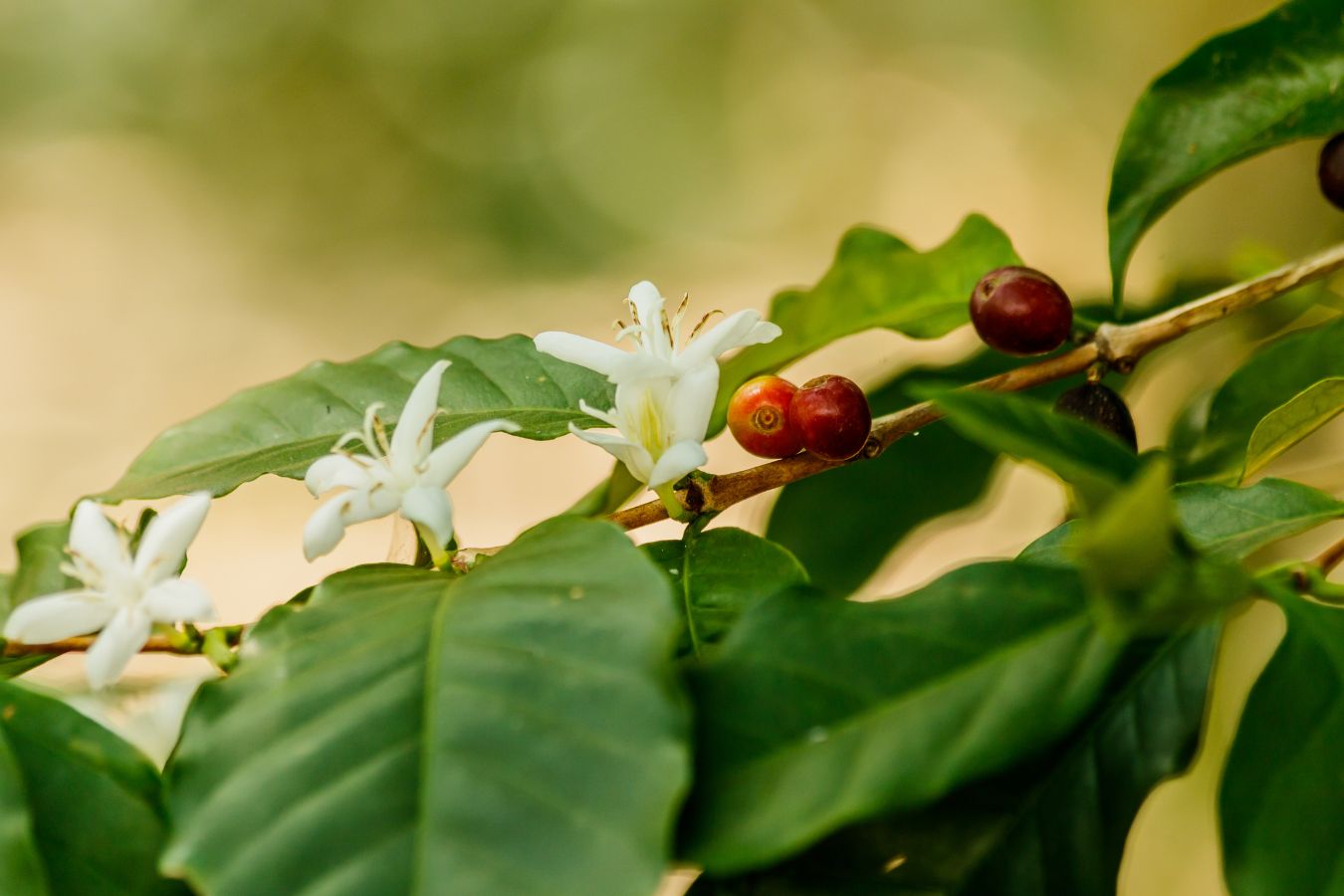


Guatemala Green Coffee Guide: A Professional & Comprehensive Overview
Guatemala Green Coffee Guide: A Professional & Comprehensive Overview
Guatemala stands among the most respected coffee origins in the world, offering a rare combination of volcanic terroir, high-altitude cultivation, and deeply rooted coffee traditions.
Introduction to Guatemala Green Coffee
Green coffee refers to coffee beans that have been processed (washed, natural, or honey) but not yet roasted.

At this stage, the beans retain their full chemical structure, including compounds responsible for acidity, sweetness, and aromatic complexity.
From a trade perspective, green coffee is the primary form in which coffee is internationally exchanged, making it the most critical stage for quality control, pricing, and logistics. As outlined in global coffee trade frameworks, green coffee must meet strict criteria related to:
- Moisture content (typically 10–12%)
- Defect tolerance levels
- Bean size and density
- Cup quality standards
Guatemala distinguishes itself by consistently delivering high-grade Arabica green coffee, often categorized within specialty segments due to its clarity and balance in the cup.
Coffee Cultivation in Guatemala: Terroir & Conditions
The Concept of Terroir in Coffee

Terroir, a term borrowed from wine, refers to the interaction between climate, soil, altitude, and local agricultural practices. In Guatemala, terroir is not just a concept—it is a defining factor of coffee identity.
The country’s volcanic landscape provides mineral-rich soils that enhance nutrient uptake in coffee plants. Combined with high altitudes and stable microclimates, this creates ideal stress conditions that slow cherry maturation.
Altitude and Its Impact on Bean Development
Altitude plays a decisive role in determining bean density and flavor complexity:
- Higher altitudes (1,500m+):
- Slower maturation
- Denser beans (SHB classification)
- Higher acidity and aromatic intensity
- Lower altitudes (below 1,200m):
- Faster growth
- Softer beans
- Simpler flavor structures
This altitude-driven differentiation is why Guatemala coffees are often segmented into premium categories.
Climate Patterns and Harvest Cycles
Guatemala benefits from a well-defined climate cycle:
- Wet season: Promotes flowering and cherry development
- Dry season: Ideal for harvesting and drying
This natural rhythm allows for consistent processing and minimizes risks such as over-fermentation or mold development.
Key Coffee Growing Regions in Guatemala
Guatemala’s coffee regions are officially classified based on altitude, rainfall, and soil composition. Each region produces distinct cup profiles, making origin selection a strategic decision for buyers.
Antigua
Antigua is one of the most prestigious regions:
- Surrounded by volcanoes
- Low humidity and abundant sunlight
- Rich volcanic soil
Cup Profile:
Chocolate, cocoa, spice, full body with a refined acidity
Huehuetenango
One of the highest and most remote regions:
- Non-volcanic but mineral-rich soils
- Dry winds protect against frost
Cup Profile:
Bright acidity, fruity notes (apple, berry), wine-like complexity
Cobán
A unique region with constant cloud cover:
- High humidity
- Dense vegetation
Cup Profile:
Herbal, earthy, balanced with mild acidity
Atitlán
Located around Lake Atitlán:
- Volcanic soil
- Strong winds affecting drying
Cup Profile:
Citrus acidity, floral aromatics, medium body
Regional Diversity as a Commercial Advantage
This regional diversity allows:
- Creation of differentiated product portfolios
- Development of single origin branding
- Targeted flavor profiling for specific markets
Processing Methods of Guatemala Green Coffee
Processing is one of the most critical stages affecting final cup quality. It determines how the coffee cherry is transformed into a stable green bean.
Washed Process (Dominant Method)
The washed process is the standard in Guatemala due to its ability to highlight clarity and acidity.
Steps:
- Pulping (removal of outer skin)
- Fermentation (breaking down mucilage)
- Washing
- Drying

Impact on Flavor:
- Defined flavor notes
- Clean cup
- Bright acidity
Natural Process
Less common but increasingly popular in specialty markets.
Characteristics:
- Whole cherries dried intact
- Longer drying period
Flavor Impact:
- Fruity, wine-like notes
- Heavier body
- Lower perceived acidity
Honey Process
A controlled hybrid method:
- Partial mucilage retained during drying
- Requires precise environmental control
Flavor Impact:
- Enhanced sweetness
- Balanced acidity
- Increased complexity
Green Coffee Grading & Classification
Grading ensures consistency and transparency in international trade.
Key Evaluation Criteria
| Criterion | Description |
| Screen Size | Bean diameter measurement |
| Density | Indicator of altitude and quality |
| Defects | Physical imperfections |
| Moisture Content | Stability and shelf life |
| Cup Quality | Sensory evaluation |
Guatemala Grading System Explained
- SHB (Strictly Hard Bean):
Grown at high altitudes, dense, premium quality - HB (Hard Bean):
Mid-altitude, good quality but less complex - EP (European Preparation):
Hand-sorted to remove defects
Importance for Buyers
For importers and roasters:
- Higher grades = higher consistency
- Reduced roasting variability
- Better alignment with specialty standards
Flavor Profile of Guatemala Green Coffee
Guatemala coffees are globally recognized for their balance and structure.
Core Sensory Components
- Acidity: Bright but refined
- Body: Medium to full
- Sweetness: Cocoa, caramel
- Aromatics: Floral, citrus
Cupping Perspective
In professional cupping:
- High clarity
- Distinct origin characteristics
- Strong aftertaste persistence
These attributes make Guatemala a preferred origin for both single origin offerings and high-end blends.
Guatemala in the Global Coffee Trade
Role in the International Market
Guatemala is positioned as a premium Arabica exporter, supplying:
- Specialty roasters
- Boutique coffee brands
- High-end commercial blends
Trade Structure
The coffee trade involves multiple stages:
- Producers (farmers)
- Exporters
- Importers
- Roasters
- Retailers
Green coffee is typically traded under:
- FOB (Free on Board)
- CIF (Cost, Insurance, Freight)
Market Trends
- Growing demand for traceability
- Increased focus on sustainability
- Expansion of specialty coffee consumption
Sustainability & Ethical Sourcing
Sustainability is no longer optional—it is a market requirement.
Environmental Sustainability
- Shade-grown coffee systems
- Soil conservation practices
- Water-efficient processing
Social Sustainability
- Fair wages for farmers
- Community development programs
- Gender inclusion initiatives
Certification Systems
- Organic
- Fair Trade
- Rainforest Alliance
These certifications add value and improve market access.
How to Source Guatemala Green Coffee
Sourcing requires both technical and commercial expertise.
Step-by-Step Sourcing Strategy
- Define desired cup profile
- Select region and processing method
- Request green coffee samples
- Perform cupping analysis
- Verify certifications and traceability
- Negotiate pricing and contract terms
- Arrange logistics and quality control
Risk Management
- Price volatility
- Climate impact on yield
- Quality inconsistencies
Professional sourcing minimizes these risks through strong supplier relationships.
Guatemala Green Coffee for Specialty Roasters
Guatemala is a cornerstone origin in specialty coffee portfolios.
Why Roasters Prefer Guatemala
- Consistent quality
- Wide flavor spectrum
- Strong brand recognition
Application Areas
- Single origin espresso
- Filter coffee programs
- Signature blends
Roasting Considerations
- Dense beans require careful heat application
- Profiles should highlight acidity and sweetness
- Over-roasting can suppress complexity
Conclusion
Guatemala green coffee represents one of the most refined expressions of Arabica coffee in the global market.

Its combination of terroir, processing expertise, and structured trade systems makes it a reliable and premium sourcing option.
For coffee professionals, understanding Guatemala’s regional diversity, grading systems, and flavor potential is essential for building a competitive and differentiated coffee portfolio.
Frequently Asked Questions (FAQ) – Guatemala Green Coffee Guide
1. What is Guatemala green coffee?
Guatemala green coffee refers to unroasted coffee beans sourced from Guatemala that have undergone processing (washed, natural, or honey) but are not yet roasted. These beans are traded globally and used by roasters to develop specific flavor profiles.
2. Why is Guatemala green coffee considered high quality?
Guatemala green coffee is valued for its high-altitude cultivation, volcanic soil composition, and strict grading systems. These factors contribute to dense beans, complex acidity, and balanced flavor profiles, making it a preferred choice in the specialty coffee market.
3. What does SHB mean in Guatemala coffee?
SHB stands for Strictly Hard Bean, indicating that the coffee is grown at high altitudes (typically above 1,350 meters). These beans are denser and generally produce more complex and refined cup profiles.
4. What are the main flavor characteristics of Guatemala green coffee?
Guatemala coffees typically offer:
- Bright and structured acidity
- Medium to full body
- Notes of chocolate, caramel, citrus, and floral tones
- Clean and well-balanced cup profiles
5. Which regions produce the best Guatemala green coffee?
Top regions include:
- Antigua (chocolate and spice notes)
- Huehuetenango (fruity and wine-like acidity)
- Atitlán (citrus and floral tones)
- Cobán (herbal and balanced profile)
Each region offers unique flavor characteristics, making origin selection important.
6. What processing method is most common in Guatemala?
The washed (wet) process is the most widely used method in Guatemala. It enhances clarity, brightness, and consistency in the cup, which is highly valued in specialty coffee.
7. How is Guatemala green coffee graded?
Grading is based on:
- Altitude (SHB, HB)
- Bean size (screen size)
- Defect count
- Moisture content
- Cup quality
EP (European Preparation) indicates that beans are hand-sorted to remove defects.
8. Is Guatemala green coffee suitable for specialty coffee?
Yes, Guatemala is one of the leading origins in the specialty coffee segment. Its consistency, traceability, and complex flavor profiles make it ideal for single origin offerings and premium blends.
9. How should Guatemala green coffee be stored?
Green coffee should be stored in:
- Cool and dry environments (around 20°C)
- Humidity-controlled conditions (50–60%)
- Proper ventilation (e.g., GrainPro or jute bags)
Proper storage preserves quality and prevents mold or flavor degradation.
10. How can I source Guatemala green coffee for my business?
To source Guatemala green coffee:
- Define your flavor and quality requirements
- Select region and grade (e.g., SHB EP)
- Request samples and perform cupping
- Verify certifications (Organic, Fair Trade)
- Work with reliable exporters or importers
- Finalize contracts and logistics (FOB/CIF)