
Ethiopian Coffee Ceremony: Heritage of Coffee’s Birthplace
Ethiopian Coffee Ceremony: The Living Heritage of Coffee’s Birthplace
Coffee is much more than a daily beverage in Ethiopia. Widely recognized as the birthplace of Coffea arabica, Ethiopia has preserved one of the world’s oldest and most authentic coffee traditions for centuries. Among these traditions, the Ethiopian Ceremony, locally known as Buna, represents the cultural heart of Ethiopian coffee.
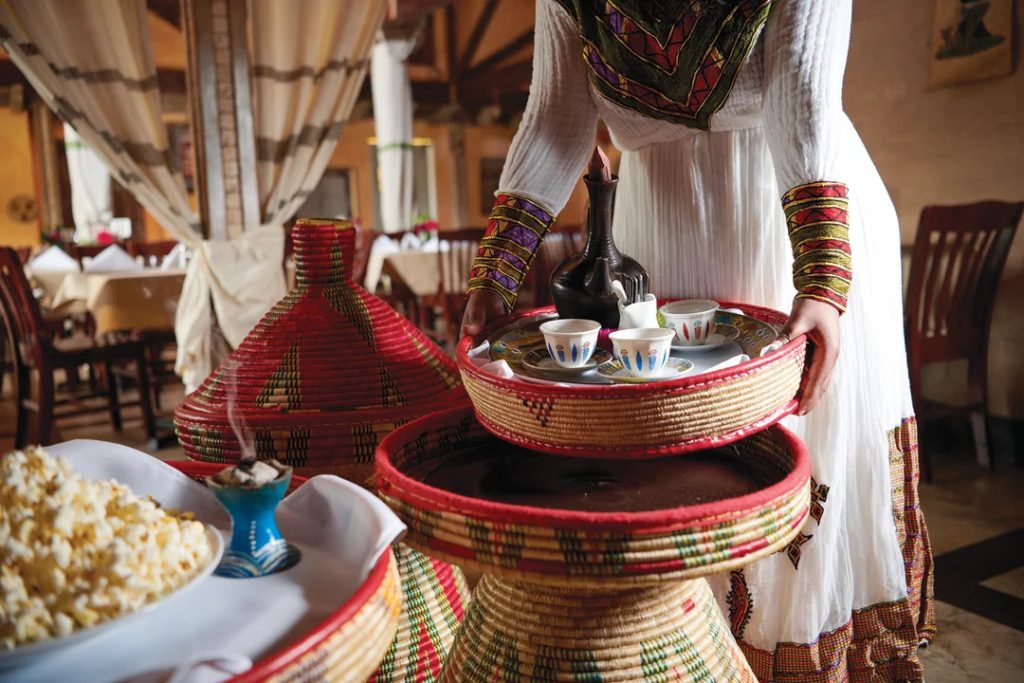
Unlike modern brewing methods that prioritize speed and convenience, the Ethiopian Coffee Ceremony celebrates patience, hospitality, and community. Every stage—from washing and roasting green coffee beans to brewing them in a traditional Jebena coffee pot—is performed in front of guests, transforming coffee preparation into a meaningful social ritual.
For coffee professionals, roasters, green coffee buyers, and specialty coffee enthusiasts, understanding the Ethiopian Coffee Ceremony offers valuable insight into the cultural origins behind one of the world’s most celebrated coffee-producing countries.
At Malkins Coffee, we believe that every green coffee bean carries not only exceptional cup quality but also the history, traditions, and craftsmanship of the communities that cultivate it. The Ethiopian Ceremony perfectly reflects this philosophy.
What Is the Ethiopian Coffee Ceremony?
The Ethiopian Ceremony is a centuries-old tradition that symbolizes hospitality, friendship, and respect. Rather than simply preparing coffee, it brings family members, neighbors, and guests together to share conversation and strengthen social connections.
Known locally as Buna, the ceremony begins with raw green coffee beans that are carefully washed, freshly roasted, hand-ground, and brewed using a traditional clay coffee pot called the Jebena. The coffee is then served in three separate rounds, each carrying its own cultural significance.
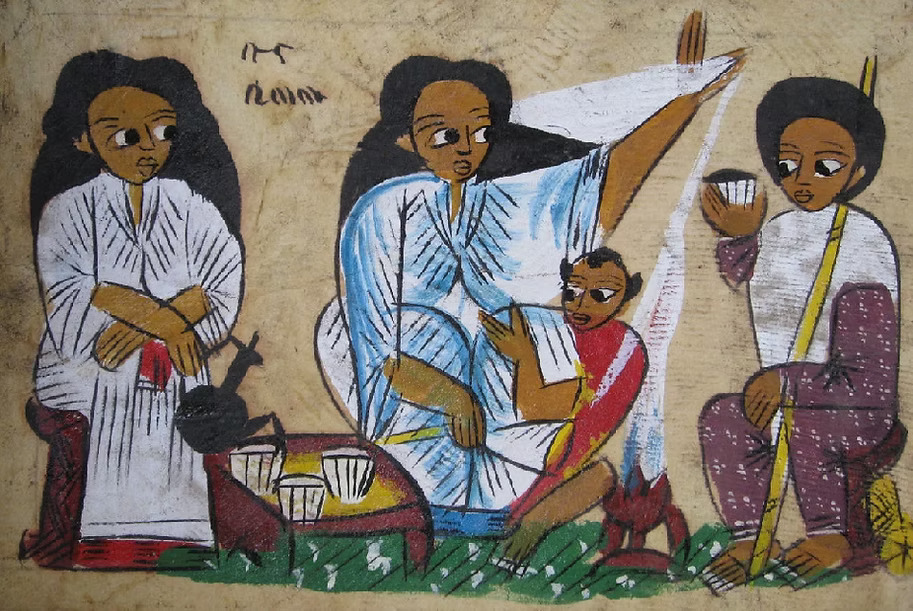
More than a brewing method, the Ethiopian Coffee Ceremony represents the country’s deep-rooted relationship with coffee and remains an essential part of daily life in many Ethiopian households.
The Cultural Significance of the Ethiopian Coffee Ceremony
Coffee has played an important role in Ethiopian society for generations. While many coffee-producing countries primarily view coffee as an agricultural commodity, Ethiopia embraces coffee as a symbol of identity, tradition, and community.
The ceremony is commonly held during:
- Family gatherings
- Religious celebrations
- Community meetings
- Weddings
- Holiday celebrations
- Welcoming guests
Participating in the ceremony is considered a gesture of respect, and accepting an invitation reflects appreciation for Ethiopian hospitality.
Why the Ethiopian Coffee Ceremony Matters
| Cultural Value | Significance |
| Hospitality | Welcoming and honoring guests |
| Community | Strengthening social relationships |
| Family Tradition | Bringing generations together |
| Cultural Heritage | Preserving centuries-old customs |
| Coffee Culture | Celebrating coffee beyond consumption |
Today, the This ceremony continues to preserve the country’s coffee heritage while inspiring coffee professionals around the world to appreciate coffee as more than a beverage.
Traditional Equipment Used in the Ethiopian Coffee Ceremony
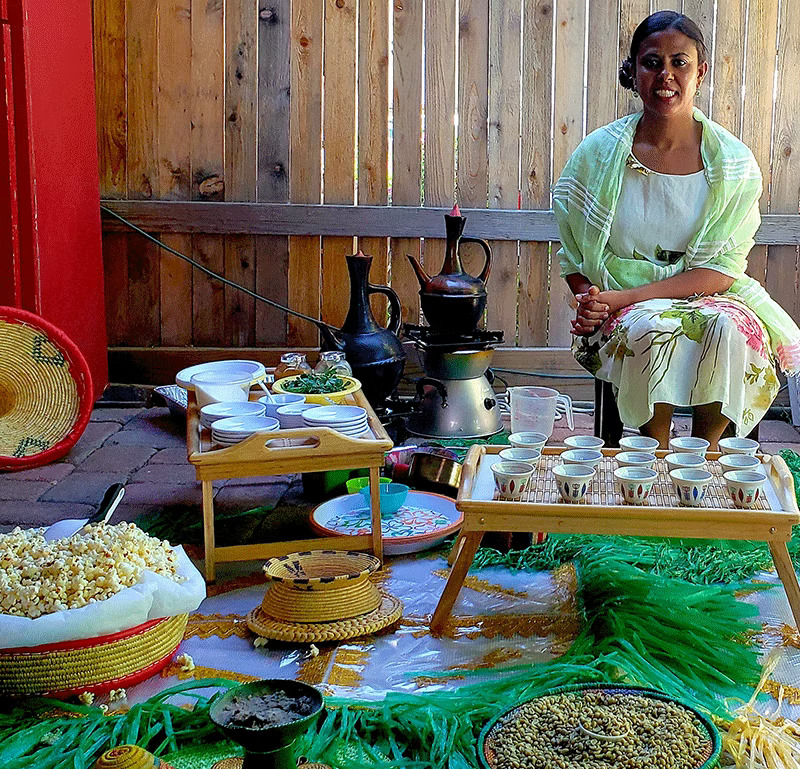
The ceremony relies on traditional tools that have remained largely unchanged for generations.
| Equipment | Purpose |
| Jebena | Traditional clay coffee pot used for brewing |
| Roasting Pan | Freshly roasts green coffee beans |
| Wooden or Stone Mortar | Hand-grinds roasted coffee |
| Small Ceramic Cups (Cini) | Used for serving coffee |
| Incense Burner | Creates the traditional ceremonial atmosphere |
| Fresh Grass and Flowers | Decorate the ceremony area |
Among these, the Jebena is perhaps the most recognizable symbol of Ethiopian coffee culture. Its unique shape allows the coffee to brew slowly, producing a rich body and complex aroma that define the ceremony.
How the Ethiopian Coffee Ceremony Is Performed
Unlike modern brewing methods, every step of the Ethiopian Coffee Ceremony takes place in front of the guests.
Main Stages of the Ceremony
| Stage | Description |
| Preparation | The ceremony space is decorated with fresh grass and incense. |
| Washing | Green coffee beans are carefully cleaned. |
| Roasting | Coffee beans are roasted over an open flame. |
| Grinding | Freshly roasted beans are hand-ground. |
| Brewing | Coffee is brewed in a traditional Jebena. |
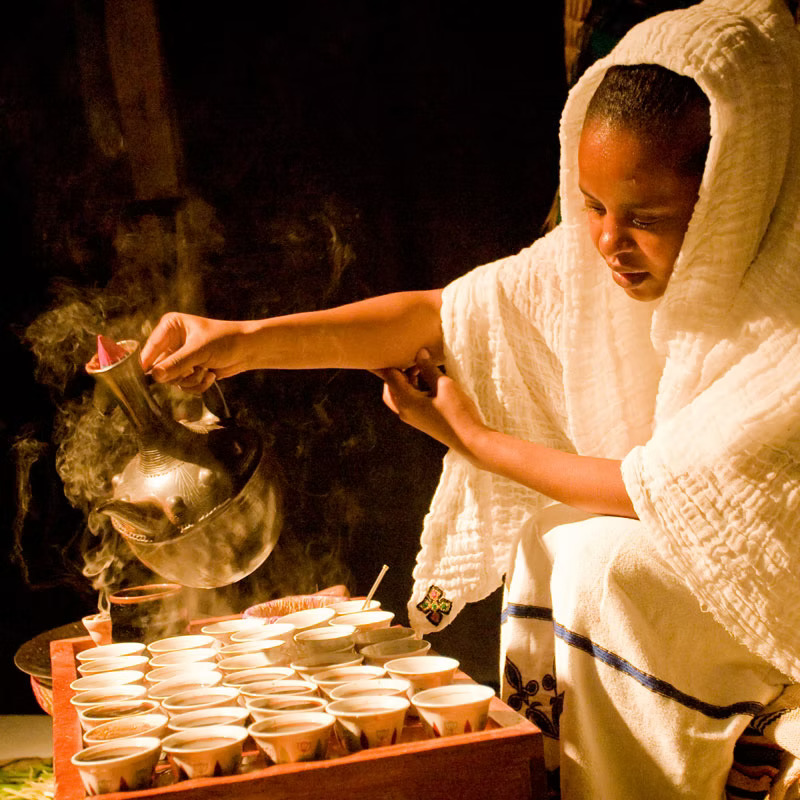
| Serving | Coffee is presented in three ceremonial rounds. |
Fresh roasting is one of the defining characteristics of the ceremony. Guests not only taste the coffee but also experience its aromas as the beans roast, making the process as memorable as the beverage itself.
Jebena: The Icon of Ethiopian Coffee Culture
The Jebena is a handcrafted clay coffee pot that has been used in Ethiopia for centuries.
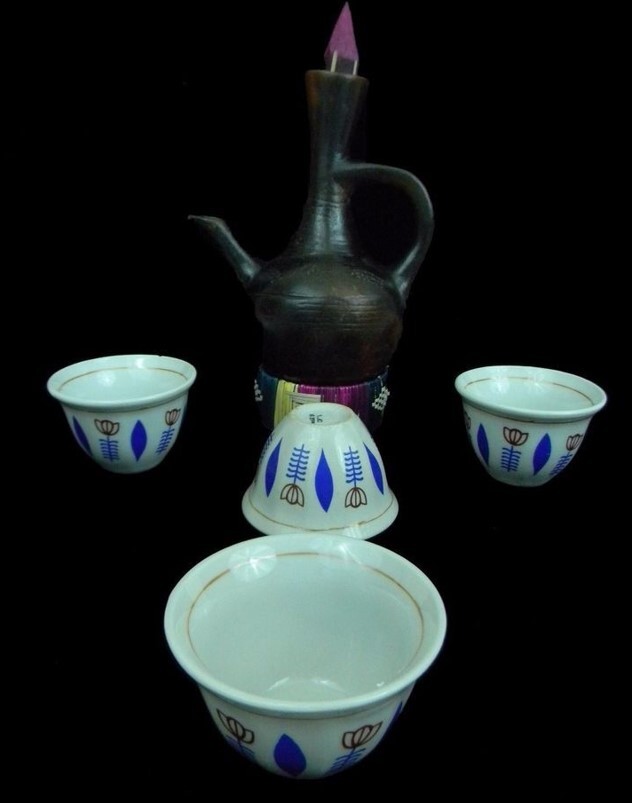
With its rounded base, narrow neck, and elongated spout, it is specifically designed to brew coffee slowly over direct heat.
Its brewing style creates a full-bodied cup with intense aroma and a rich mouthfeel, making it one of the defining elements of the Ethiopian Coffee Ceremony.
Abol, Tona, and Baraka: The Three Servings
One of the most distinctive features of the This ceremony is that coffee is served three times.
| Serving | Meaning | Characteristics |
| Abol | First Serving | Strongest and most aromatic cup |
| Tona | Second Serving | Smoother and lighter |
| Baraka | Third Serving | Symbolizes blessing and prosperity |
Completing all three servings is considered an important part of the ceremony, reflecting respect for both the host and the tradition itself.
Why the Ethiopian Coffee Ceremony Matters in Specialty Coffee
As specialty coffee continues to emphasize origin, traceability, terroir, and sustainability, the Ethiopian Ceremony provides valuable cultural context behind every cup.
For coffee roasters, green coffee importers, baristas, and coffee educators, understanding this ceremony helps build a deeper appreciation of Ethiopia’s coffee heritage.
It reminds us that exceptional coffee is not defined solely by flavor, processing methods, or cupping scores, but also by the traditions and communities that have preserved coffee culture for generations.
Conclusion
This ceremony is one of the world’s most remarkable coffee traditions, demonstrating that coffee is far more than a beverage.
It is a symbol of hospitality, community, and cultural identity that has been preserved for centuries.
At Malkins Coffee, we believe that understanding the story behind every green coffee bean is just as important as evaluating its quality. The Ethiopian Ceremony represents the living heritage of coffee’s birthplace and continues to inspire coffee professionals and enthusiasts around the world.
Frequently Asked Questions (FAQ)
1. What is the Ethiopian Coffee Ceremony?
The Ethiopian Coffee Ceremony, locally known as Buna, is a traditional coffee ritual that involves washing, roasting, grinding, and brewing green coffee beans in front of guests. It is one of Ethiopia’s most important cultural traditions and symbolizes hospitality, respect, and community.
2. Why is the Ethiopian Coffee Ceremony important?
The ceremony represents Ethiopia’s rich coffee heritage and plays a central role in social and family life. It brings people together, strengthens relationships, and preserves traditions that have been passed down through generations.
3. What type of coffee is used in the Ethiopian Coffee Ceremony?
The ceremony traditionally uses green Arabica coffee beans, which are freshly roasted during the ritual before being hand-ground and brewed. Fresh roasting is one of the defining characteristics of the ceremony.
4. What is a Jebena?
A Jebena is a traditional Ethiopian clay coffee pot used to brew coffee during the ceremony. Its distinctive shape allows coffee to brew slowly over direct heat, producing a rich body and complex aroma.
5. Why is coffee served three times during the Ethiopian Coffee Ceremony?
Coffee is traditionally served in three rounds known as Abol, Tona, and Baraka. Each serving has its own symbolic meaning, with the final cup representing blessings, peace, and prosperity.
6. How long does an Ethiopian Coffee Ceremony last?
A traditional Ethiopian Coffee Ceremony usually lasts between 45 minutes and two hours. The experience emphasizes conversation, hospitality, and enjoying coffee together rather than quick consumption.
7. What is the role of incense in the Ethiopian Coffee Ceremony?
Incense is burned to create a welcoming atmosphere and is considered an essential part of the ceremony. Combined with the aroma of freshly roasted coffee, it enhances the overall sensory experience.
8. How is the Ethiopian Coffee Ceremony connected to specialty coffee?
The Ethiopian Ceremony reflects many values embraced by the specialty coffee industry, including respect for coffee origin, craftsmanship, freshness, and appreciation of coffee’s cultural heritage beyond the cup.
9. What equipment is traditionally used during the Ethiopian Coffee Ceremony?
Traditional equipment includes a Jebena clay coffee pot, a roasting pan, a wooden or stone mortar for grinding roasted coffee, small ceramic coffee cups, an incense burner, and fresh grass or flowers used to decorate the ceremony area.
10. Why should coffee professionals learn about the Ethiopian Coffee Ceremony?
Understanding the Ethiopian Ceremony helps coffee roasters, green coffee importers, baristas, and specialty coffee professionals appreciate the cultural origins of Arabica coffee. It provides valuable insight into Ethiopia’s coffee heritage and highlights the importance of preserving the traditions behind every cup.