
Coffee Roasting Guide: From Green Bean to Perfect Cup
Coffee Roasting Guide: From Green Bean to Perfect Cup
Coffee roasting is where the true character of a coffee bean comes to life. While origin, variety, terroir, and processing method determine a coffee’s potential, roasting unlocks the flavors, aromas, and sensory qualities hidden within the green bean.
Every successful cup of coffee begins with a carefully executed roast profile that balances sweetness, acidity, body, and aroma.
For coffee roasters, green coffee importers, specialty coffee professionals, and coffee businesses, understanding the science and art of coffee roasting is essential. This comprehensive coffee roasting guide explores the fundamentals of roasting, roast development, heat transfer, roast defects, and best practices for achieving consistent, high-quality results.
What Is Coffee Roasting?
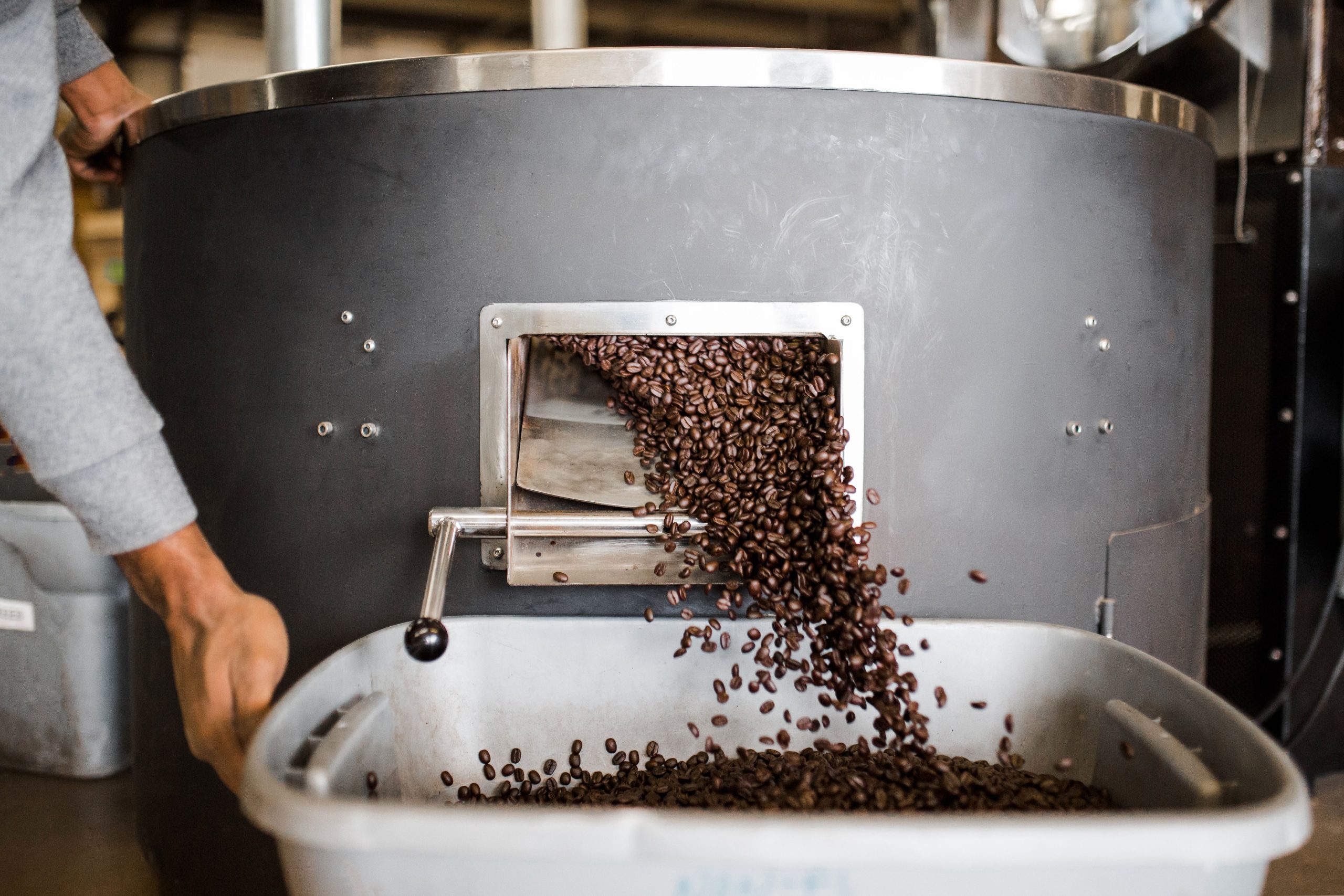
Coffee roasting is the process of applying heat to green coffee beans, transforming them into the aromatic brown beans used for brewing.
During roasting, coffee undergoes significant physical and chemical changes:
- Moisture evaporates
- Sugars caramelize
- Organic acids transform
- Aromatic compounds develop
- Carbon dioxide is generated
- Bean density decreases
- Bean volume increases
A green coffee bean contains hundreds of chemical compounds, many of which become the flavor and aroma compounds responsible for the final cup profile.
Why Coffee Roasting Matters
Roasting has a direct impact on:
| Coffee Attribute | Roasting Influence |
| Acidity | Can be enhanced or muted |
| Sweetness | Developed through caramelization |
| Body | Influenced by roast degree |
| Aroma | Created during roasting reactions |
| Aftertaste | Shaped by roast development |
| Balance | Determined by roast profile |
Even the highest-quality specialty coffee can lose its potential if roasted incorrectly.
Understanding Green Coffee Before Roasting
Successful roasting begins long before the beans enter the roaster.
Important green coffee factors include:
Bean Density
Higher-density coffees generally require more energy during roasting and often benefit from slower development.
Moisture Content
Ideal moisture content typically ranges between 10% and 12%.
Variety
Different coffee varieties react differently during roasting.
Popular examples include:
- Bourbon
- Typica
- Caturra
- Catuaí
- Geisha
- Mundo Novo
- SL28
- SL34
Processing Method
Processing significantly influences roasting behavior.
| Processing Method | Typical Characteristics |
| Washed | Clean, bright acidity |
| Natural | Fruity, sweet profile |
| Honey | Balanced sweetness and complexity |
| Anaerobic | Intense fermentation notes |
The Four Main Stages of Coffee Roasting
1. Drying Phase
Temperature Range
100°C–160°C (212°F–320°F)
During this stage:
- Moisture evaporates
- Bean color begins changing
- Grassy aromas diminish
The drying phase typically accounts for approximately 30–40% of total roast time.
2. Maillard Reaction Phase
Temperature Range
160°C–190°C (320°F–374°F)
This stage is responsible for:
- Browning reactions
- Sugar transformation
- Flavor precursor development
The Maillard reaction creates many of the chocolate, nutty, and caramel-like notes found in roasted coffee.
3. First Crack
Temperature Range
195°C–205°C (383°F–401°F)
First Crack marks one of the most important milestones in roasting.
During this stage:
- Internal pressure increases
- Cell walls fracture
- Steam and gases escape
- Audible cracking sounds occur
Many specialty coffee roasts are developed around and after First Crack.
4. Development Phase
Temperature Range
205°C–220°C (401°F–428°F)
This phase determines:
- Sweetness
- Body
- Acidity balance
- Flavor complexity
The development phase often has the greatest impact on cup quality.
Heat Transfer in Coffee Roasting
Understanding heat transfer is fundamental to roast consistency.
Conduction
Heat transfer through direct contact between beans and hot surfaces.
Benefits
- Increased body
- Strong caramelization
Risks
- Scorching
- Uneven roasting
Convection
Heat transfer through hot airflow.
Benefits
- Even roasting
- Improved consistency
Common in
- Modern drum roasters
- Fluid-bed roasters
Radiation
Heat transferred through electromagnetic energy.
Benefits
- Supplemental heat source
Challenges
- Difficult to control independently
Most commercial roasting systems use a combination of all three mechanisms.
Coffee Roast Levels Explained
Light Roast
Characteristics
- High acidity
- Floral notes
- Fruity flavors
- Maximum origin character
Common End Temperature
196°C–205°C
Medium Roast
Characteristics
- Balanced sweetness
- Moderate acidity
- Increased body
Common End Temperature
205°C–215°C
Medium-Dark Roast
Characteristics
- Chocolate notes
- Caramel sweetness
- Reduced acidity
Common End Temperature
215°C–220°C
Dark Roast
Characteristics
- Smoky flavors
- Bittersweet profile
- Heavy body
Common End Temperature
220°C–230°C
Roast Development Time
Development Time Ratio (DTR) measures the percentage of total roast time spent after First Crack.
| Roast Style | Typical DTR |
| Light Roast | 12–16% |
| Medium Roast | 16–22% |
| Dark Roast | 22–30% |
Managing DTR is essential for balancing sweetness, acidity, and body.
Common Coffee Roasting Defects
Underdevelopment
Symptoms
- Peanut-like flavors
- Grassy notes
- Sharp acidity
Causes
- Insufficient development time
- Inadequate heat application
Scorching
Symptoms
- Burnt flavors
- Dark spots on beans
Causes
- Excessive charge temperature
- Aggressive heat application
Tipping
Symptoms
- Burnt bean edges
Causes
- Excessive heat during early roast stages
Baking
Symptoms
- Flat cup profile
- Reduced sweetness
- Lack of complexity
Causes
- Stalled roast progression
- Insufficient energy management
Coffee Roasting Profiles by Brewing Method
| Brewing Method | Recommended Roast Level |
| Filter Coffee | Light to Medium |
| Pour Over | Light |
| Chemex | Light |
| V60 | Light |
| AeroPress | Light to Medium |
| Espresso | Medium to Medium-Dark |
| Turkish Coffee | Medium to Medium-Dark |
| French Press | Medium-Dark |
The Importance of Roast Logging
Professional roasters carefully record every roast.
Important variables include:
- Green coffee origin
- Variety
- Moisture content
- Charge temperature
- Airflow adjustments
- Gas settings
- First Crack timing
- Development time
- Drop temperature
- Final roast color
Detailed roast logs improve consistency and support continuous quality improvement.
Resting Coffee After Roasting
Freshly roasted coffee continues releasing carbon dioxide through a process called degassing.
Recommended Resting Times
| Coffee Type | Rest Period |
| Filter Coffee | 3–7 Days |
| Espresso | 7–14 Days |
| Specialty Coffee | 5–10 Days |
Proper resting allows flavors to stabilize and improves extraction consistency.
Coffee Roasting Equipment
Professional roasting equipment generally falls into three categories:
Drum Roasters
Most common in specialty coffee roasting.
Advantages:
- Excellent control
- Versatility
- Consistent results
Fluid-Bed Roasters
Use hot air as the primary heat source.
Advantages:
- Clean flavor profiles
- Efficient heat transfer
Hybrid Roasters
Combine conduction and convection roasting methods.
Advantages:
- Flexibility
- Improved roast customization
Best Practices for Consistent Coffee Roasting
- Start with high-quality green coffee.
- Monitor bean temperature and environmental temperature.
- Maintain consistent airflow.
- Track roast curves carefully.
- Avoid excessive heat application.
- Develop repeatable roast profiles.
- Use cupping sessions to evaluate results.
- Record every roast batch.
- Regularly calibrate roasting equipment.
- Continuously refine profiles based on sensory feedback.
The Future of Coffee Roasting
Modern coffee roasting is increasingly data-driven. Advanced roast profiling software, real-time analytics, artificial intelligence, and precision roasting technologies are helping roasters achieve greater consistency than ever before.
At the same time, the specialty coffee industry continues to emphasize origin transparency, sustainability, and terroir expression. Today’s roaster is not simply applying heat to coffee; they are translating the story of a coffee’s origin into the final cup.
Conclusion
Coffee roasting is both a science and an art. It requires a deep understanding of green coffee, heat transfer, roast development, and sensory evaluation.
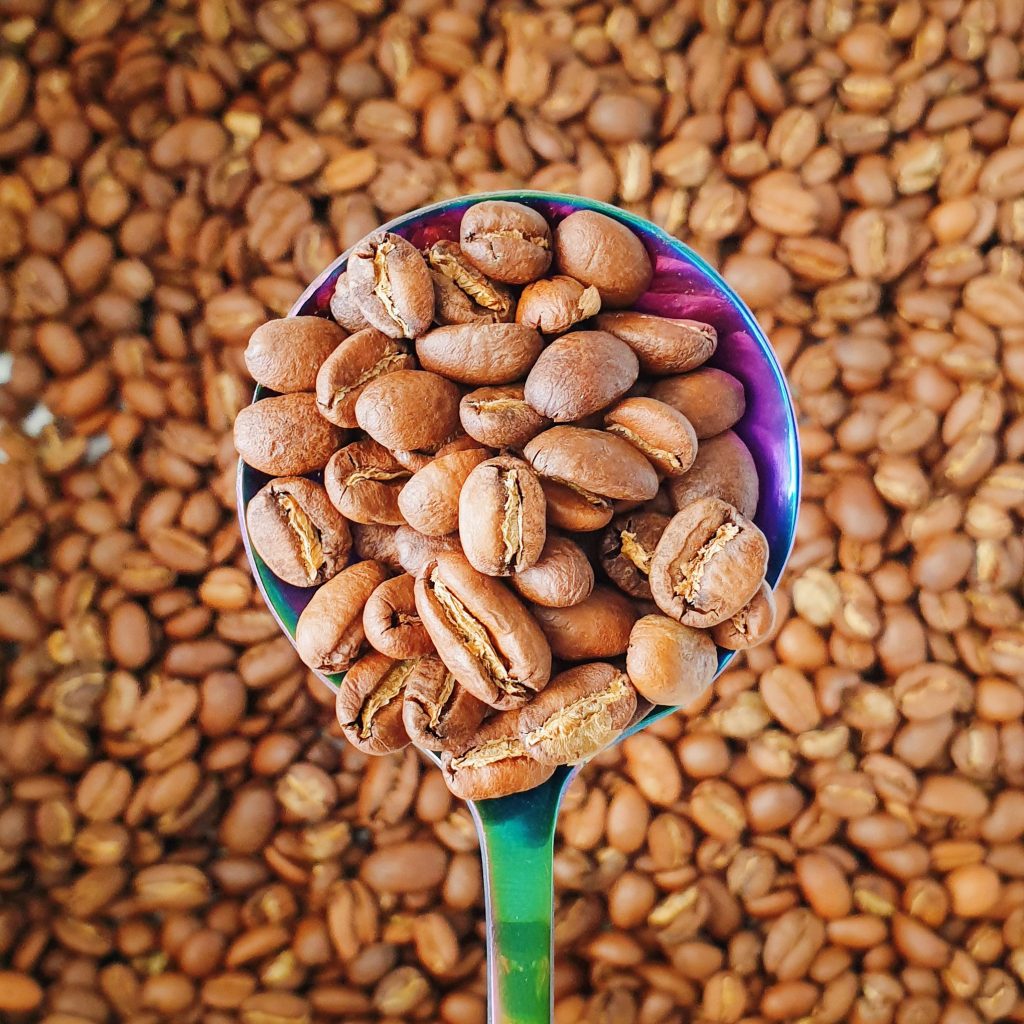
Every decision made during roasting influences the final flavor profile, making roasting one of the most critical stages in the coffee value chain.
For specialty coffee roasters, green coffee importers, and coffee professionals, mastering roast development is essential for unlocking the full potential of every coffee bean. When executed correctly, coffee roasting transforms raw agricultural products into exceptional coffee experiences that showcase origin, craftsmanship, and quality.
Frequently Asked Questions About Coffee Roasting (FAQ)
1. What is coffee roasting, and why is it important?
Coffee roasting is the process of applying heat to green coffee beans to develop the flavors, aromas, sweetness, body, and acidity that define the final cup. Roasting is one of the most critical stages in coffee production because it unlocks the sensory potential of the coffee bean and directly impacts cup quality.
2. What happens to coffee beans during roasting?
During roasting, green coffee beans undergo significant physical and chemical transformations. Moisture evaporates, sugars caramelize, Maillard reactions occur, carbon dioxide develops, and hundreds of aromatic compounds are formed. These changes create the flavors and aromas associated with roasted coffee.
3. What is the difference between light, medium, and dark roasts?
Light roasts preserve more of the coffee’s origin characteristics, acidity, and fruit-forward flavors. Medium roasts offer a balance between sweetness, acidity, and body. Dark roasts emphasize caramelized, chocolate-like, and smoky flavors while reducing perceived acidity and highlighting roast characteristics.
4. What is First Crack in coffee roasting?
First Crack is a key stage in the roasting process that typically occurs between 195°C and 205°C (383°F–401°F). During this phase, pressure builds inside the bean, causing it to crack audibly. First Crack marks the transition from the roasting phase to the development phase and significantly influences flavor development.
5. How does roast level affect coffee flavor?
Roast level plays a major role in determining flavor. Lighter roasts tend to exhibit higher acidity, floral notes, and fruit complexity. Medium roasts often deliver balanced sweetness and body, while darker roasts emphasize chocolate, caramel, spice, and smoky characteristics.
6. What is the ideal moisture content for green coffee before roasting?
Most specialty coffee professionals recommend a green coffee moisture content between 10% and 12%. Proper moisture levels help ensure even heat transfer, predictable roast development, and optimal flavor formation during roasting.
7. What is Development Time Ratio (DTR) in coffee roasting?
Development Time Ratio (DTR) refers to the percentage of total roast time that occurs after First Crack. It helps roasters evaluate roast progression and balance sweetness, acidity, and body. Managing DTR correctly is essential for achieving consistent roast profiles and desirable cup characteristics.
8. What are the most common coffee roasting defects?
Common roasting defects include underdevelopment, scorching, tipping, and baking. These defects can produce undesirable flavors such as grassy notes, burnt aromas, excessive bitterness, flat sweetness, or a lack of complexity in the cup.
9. How long should coffee rest after roasting?
Freshly roasted coffee should be allowed to rest to release excess carbon dioxide through a process known as degassing. Filter coffees generally benefit from 3–7 days of rest, while espresso coffees often perform best after 7–14 days. Proper resting improves extraction and flavor balance.
10. How do professional coffee roasters maintain consistency?
Professional roasters maintain consistency by recording detailed roast data, including charge temperature, airflow, gas adjustments, roast time, First Crack timing, development time, and final bean color. Regular cupping sessions and roast profile analysis help ensure repeatable quality across batches.